Introduction
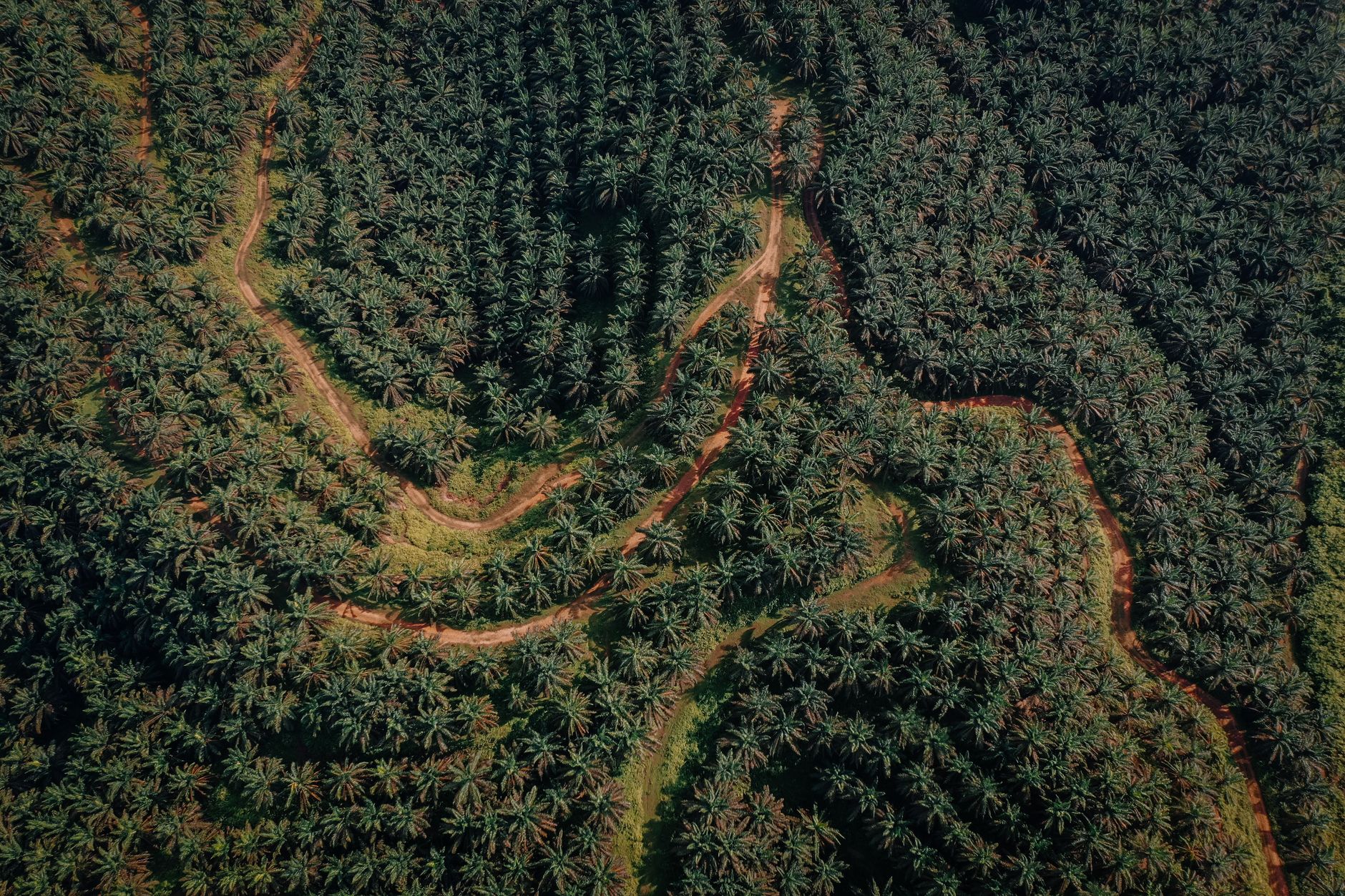
The Democratic Republic of Congo (DRC) is endowed with vast arable land and a favorable climate, making it a prime candidate for agricultural investment, particularly in palm oil production. As the global demand for palm oil continues to rise, the DRC can leverage its longstanding agricultural traditions and modernize its production capabilities to compete effectively on a global scale.
The Potential of the Palm Oil Sector in the DRC
Palm oil remains one of the key drivers in the agrobusiness sector, contributing significantly to the economies of tropical countries. In the DRC, palm oil production has historically been a prominent industry, offering an array of economic opportunities:
- Economic Contributions: The palm oil sector can create thousands of jobs, directly and indirectly, boosting local economies.
- Foreign Exchange Earnings: Increasing palm oil production aimed at export can improve the DRC's balance of trade.
- Food Security: Enhancing local palm oil production can contribute to food security and reduce dependence on imports.
Historical Context of Palm Oil Production in the DRC
The DRC has a historical background in palm oil cultivation, with plantations established as far back as the early 20th century. In the past, companies like Pommeret and Plantations et Huileries du Congo (PHC) controlled substantial shares of the market. However, decades of political instability and economic challenges have led to the decline of these once-thriving plantations.
Today, approximately 30% of the DRC's land is arable, yet only a fraction is utilized for palm oil production. Restoring these historical plantations presents a significant opportunity for revitalization.
Challenges Facing the Palm Oil Industry
Despite the potential for growth, several challenges persist in the restoration of the palm oil sector:
- Infrastructure Deficiencies: Poor transportation and storage facilities hinder production and distribution.
- Investment Climate: Attracting foreign investments is crucial; however, concerns over regulatory environments and political stability persist.
- Environmental Considerations: Sustainable practices must be integrated to prevent deforestation and biodiversity loss.
Opportunities for Revitalization and Industrial Transformation
To harness its full potential, the DRC can explore several strategies to revitalize the palm oil sector:
- Public-Private Partnerships: Encouraging collaborations between government and private entities can facilitate investment and infrastructure development.
- Technological Advancements: Implementing modern agricultural techniques and processing technologies can enhance productivity.
- Training and Capacity Building: Investing in workforce development to improve agricultural skills is essential for sustaining growth.
Case Studies of Successful Revitalization
Looking globally, several countries have successfully revitalized their palm oil sectors, serving as models for the DRC:
- Indonesia: Leveraged its vast land for palm oil production, focusing on sustainable practices and improving local economies.
- Malaysia: Implemented strong regulatory frameworks and support systems to boost productivity.
By learning from these case studies, the DRC can implement similar strategies tailored to its unique context.
Conclusion: A Bright Future Ahead
The path to revitalizing the palm oil sector in the DRC is fraught with challenges but equally filled with immense opportunities. The DRC's arable land, coupled with the potential for technological and industrial advancements, presents a unique landscape for agrobusiness development. With targeted investments and a commitment to sustainable practices, the country can emerge as a significant player in the palm oil market, ultimately contributing to its economic growth and development.