Introduction
The Democratic Republic of Congo (DRC) is at a crossroads in its energy journey. With an abundance of natural resources and a population relying heavily on conventional energy sources, the need for sustainable and renewable solutions has never been more pressing. Among these solutions, the valorization of agricultural waste into biomass energy stands out as a method capable of transforming the country's energy dynamics.
Agricultural Waste: A Resource Waiting to Be Tapped
The DRC, endowed with rich agricultural lands, produces millions of tons of agricultural residues annually. These include crop by-products such as maize stalks, rice husks, and cassava peels, which often go unutilized. According to the Food and Agriculture Organization (FAO), over 26 million tons of agricultural waste could be harnessed yearly for biomass energy production in the DRC.
Current Energy Landscape in DRC
Currently, the energy sector in the DRC is characterized by its heavy reliance on hydropower, particularly from projects such as the Grand Inga Dam, which has the potential to become one of the largest hydroelectric power stations in the world. However, challenges such as infrastructural deficits, management issues, and the need for diversification have hindered growth. The current electricity access rate in the DRC is estimated to be around 9%, necessitating urgent intervention and innovation.
The Biomass Opportunity
By transforming agricultural waste into energy, the DRC can not only improve energy access but also contribute to sustainable development and food security. Biomass energy offers numerous advantages:
- Energy Independence: Reducing reliance on imported fossil fuels.
- Job Creation: Development of a biomass energy sector could create thousands of jobs, particularly in rural areas.
- Environmental Benefits: Utilizing waste reduces greenhouse gas emissions.
- Economic Growth: Unlocking a new energy market fosters investments and economic activities.
Market Dynamics and Economic Viability
The global biomass energy market has been expanding, driven by increasing energy demands and technological innovations. In Africa, the biomass market is expected to grow at a CAGR of 5% over the next decade. The DRC, with its favorable conditions for biomass energy production, could significantly benefit from this trend.
Investment Climate
As the DRC seeks to attract foreign direct investment (FDI) into its energy sector, various initiatives are being implemented. The government has expressed strong commitment to creating a favorable business environment, reflected in recent reforms aimed at increasing transparency and reducing barriers to investment.
In 2022, the DRC government launched a program to promote the use of renewable energy sources, specifically targeting biomass energy. This initiative opens the door for public-private partnerships, facilitating the creation of facilities for biomass processing and energy generation.
Financial Projections and Market Potential
Based on estimates from market analysts, the biomass energy market in the DRC has the potential to generate approximately $1 billion in annual revenues by 2030, assuming the agricultural waste is appropriately harnessed. Investment in biomass technology could yield financial returns exceeding 20% per annum, comparable to investments in traditional energy generation.
Challenges Ahead
Despite the opportunities that the biomass sector presents, several challenges need to be addressed:
- Infrastructure Deficits: Limited transport and processing infrastructure may hinder the efficient collection and processing of biomass.
- Technological Gaps: The need for advanced technologies for biomass energy production and management systems.
- Regulatory Framework: Establishing clear policies and standards is crucial to facilitate investments.
The Role of Renewable Energy Integration
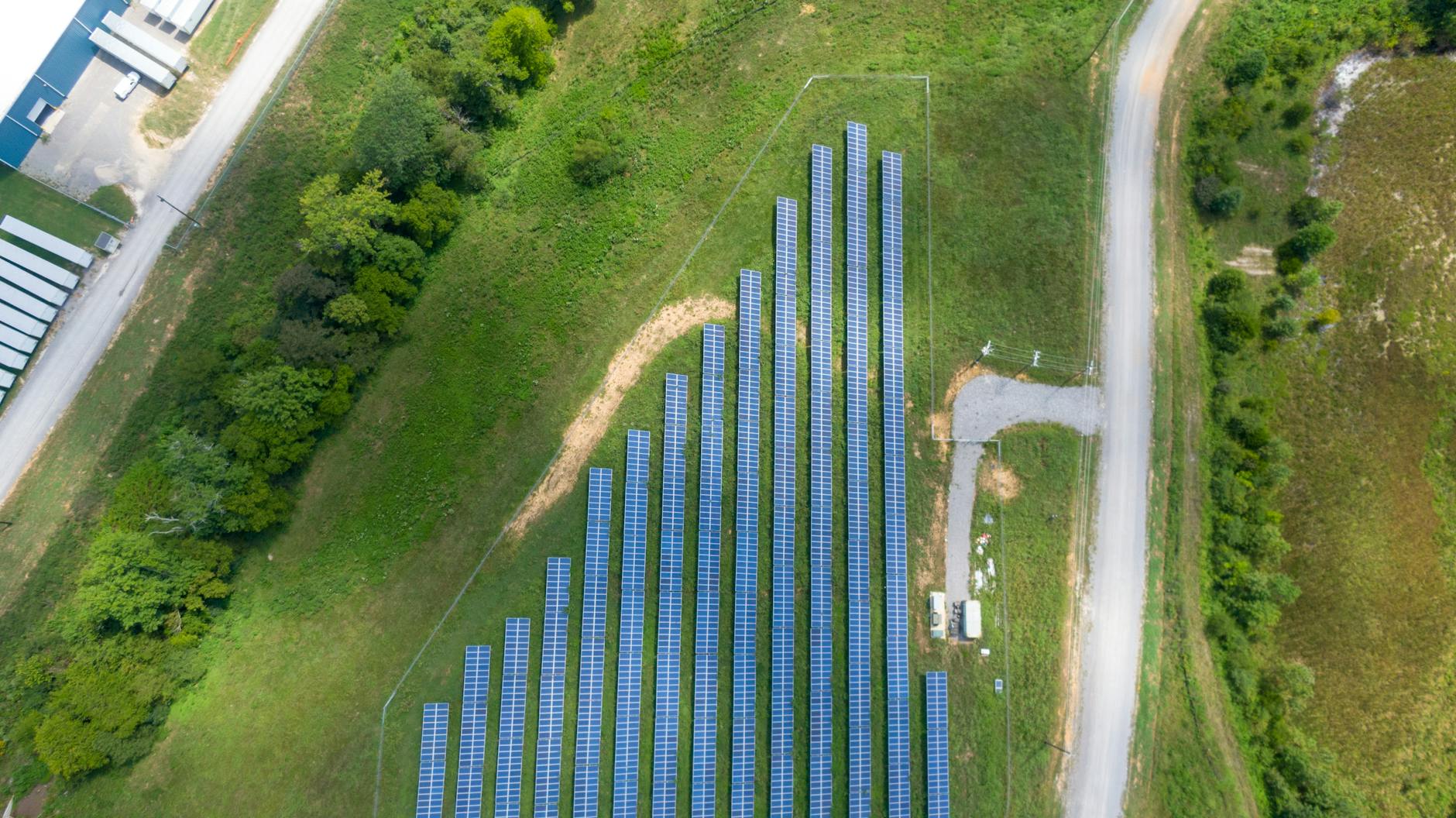
Integrating biomass energy with other renewable sources, such as solar power, could further enhance energy security and sustainability in the DRC. The country’s vast solar potential, particularly in the southern regions, complements biomass by providing an additional energy source that can be harnessed for enhanced productivity.
Conclusion
The valorization of agricultural waste into biomass energy offers a transformative opportunity for the Democratic Republic of Congo. By addressing infrastructural and regulatory challenges, and by fostering investments and technological advancements, the DRC can turn agricultural waste into a powerful engine for economic growth and energy independence. With the right strategy in place, the nation can unlock its vast potential, empowering its populace and steering towards a sustainable energy future.