Introduction
The Democratic Republic of the Congo, with its vast agricultural resources, faces significant energy challenges. The growing need for energy to stimulate the country's economic and social development requires the exploration of sustainable renewable energy sources. The valorization of agricultural waste through biomass represents a promising solution that could transform the country's energy landscape.
Energy Context in the DRC
The DRC is endowed with extensive hydraulic resources, with the Grand Inga project, which could generate up to 40,000 MW of electricity. However, the existing energy infrastructure is insufficient to meet the needs of the population. Currently, around 80% of the population lacks access to electricity, primarily in rural areas. This situation underscores the urgency of diversifying energy sources, particularly through biomass.
Image of Biomass in the Energy Sector
- Global Potential: Biomass could represent up to 60% of renewable energy production in the DRC.
- Available Resources: About 90 million tons of agricultural waste are generated each year, providing a solid foundation for the production of heat and electricity.
- Jobs: The biomass sector could create thousands of local jobs, thus stimulating rural economies.
Opportunities for Valorizing Agricultural Waste
Agricultural waste, such as crop residues (straw, leaves, stems), represents an untapped resource that can be converted into energy. The valorization of this waste could not only meet energy needs but also contribute to waste reduction and improved agricultural practices.
Technologies and Processes
- Gasification: This technology allows converting biomass into synthesis gas, which can be used to produce electricity.
- Composting: Transforming waste into compost to improve soil fertility, thereby reducing the need for chemical inputs.
- Biomass Heating: Direct use of biomass for domestic and industrial heating.
Macro-Economic and Environmental Data
The valorization of agricultural waste can have a significant economic and environmental impact in the DRC.
- Impact on Growth: The development of the biomass sector could contribute to an increase in GDP of around 3% over the next decades.
- Emission Reduction: Using biomass can reduce greenhouse gas emissions, thus contributing to the DRC's commitments to energy transition.
- Improvement in Food Security: The valorization of waste could enhance agricultural productivity through better compost, while providing a source of income for farmers.
Current Initiatives and Future Projects
Several initiatives and projects are already underway to promote the valorization of agricultural waste in the DRC.
- Public-Private Partnerships: Collaborations with private companies to develop biomass valorization infrastructures are underway.
- Training Programs: Programs targeting farmers to teach them how to transform their waste into energy resources.
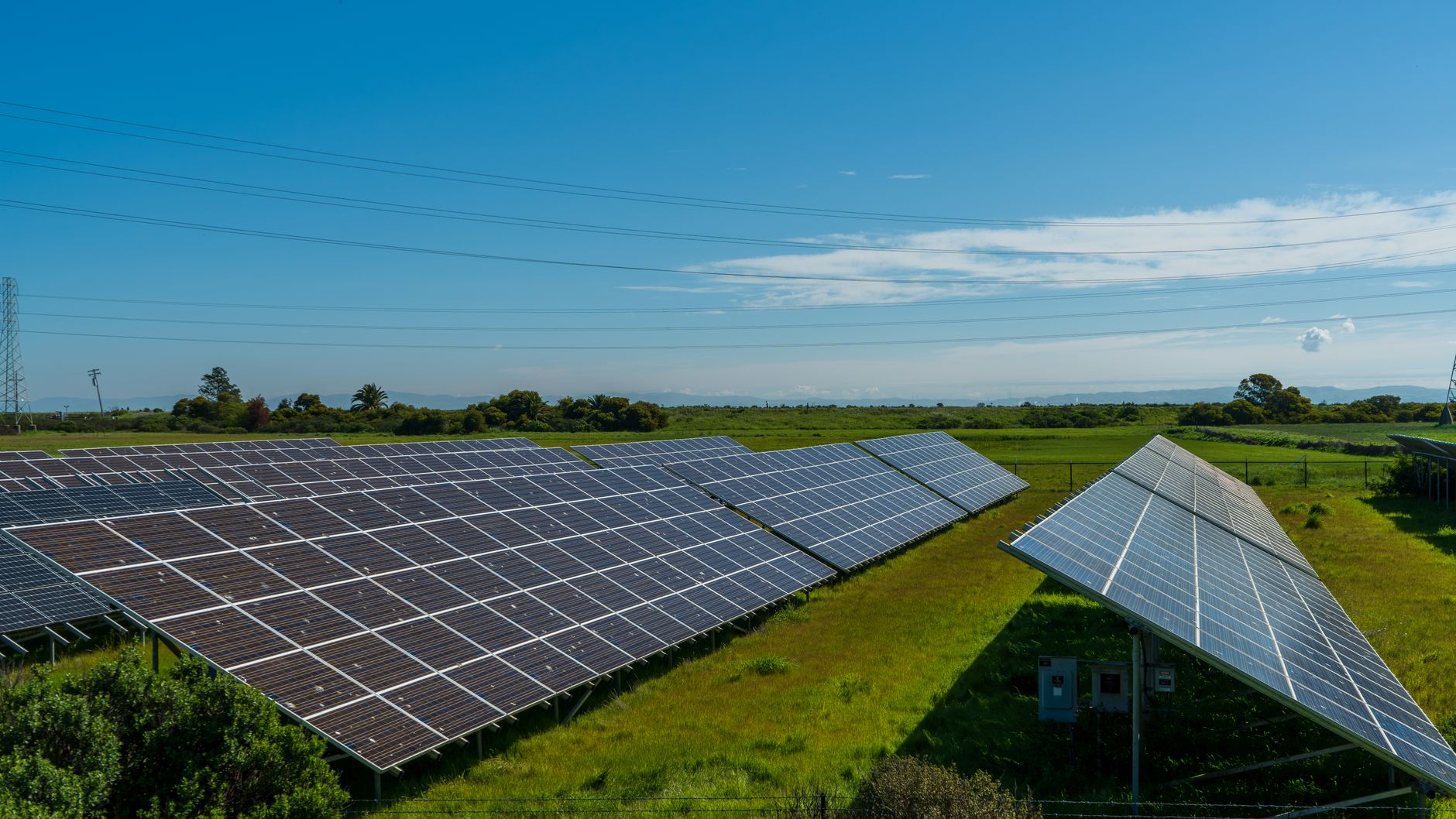
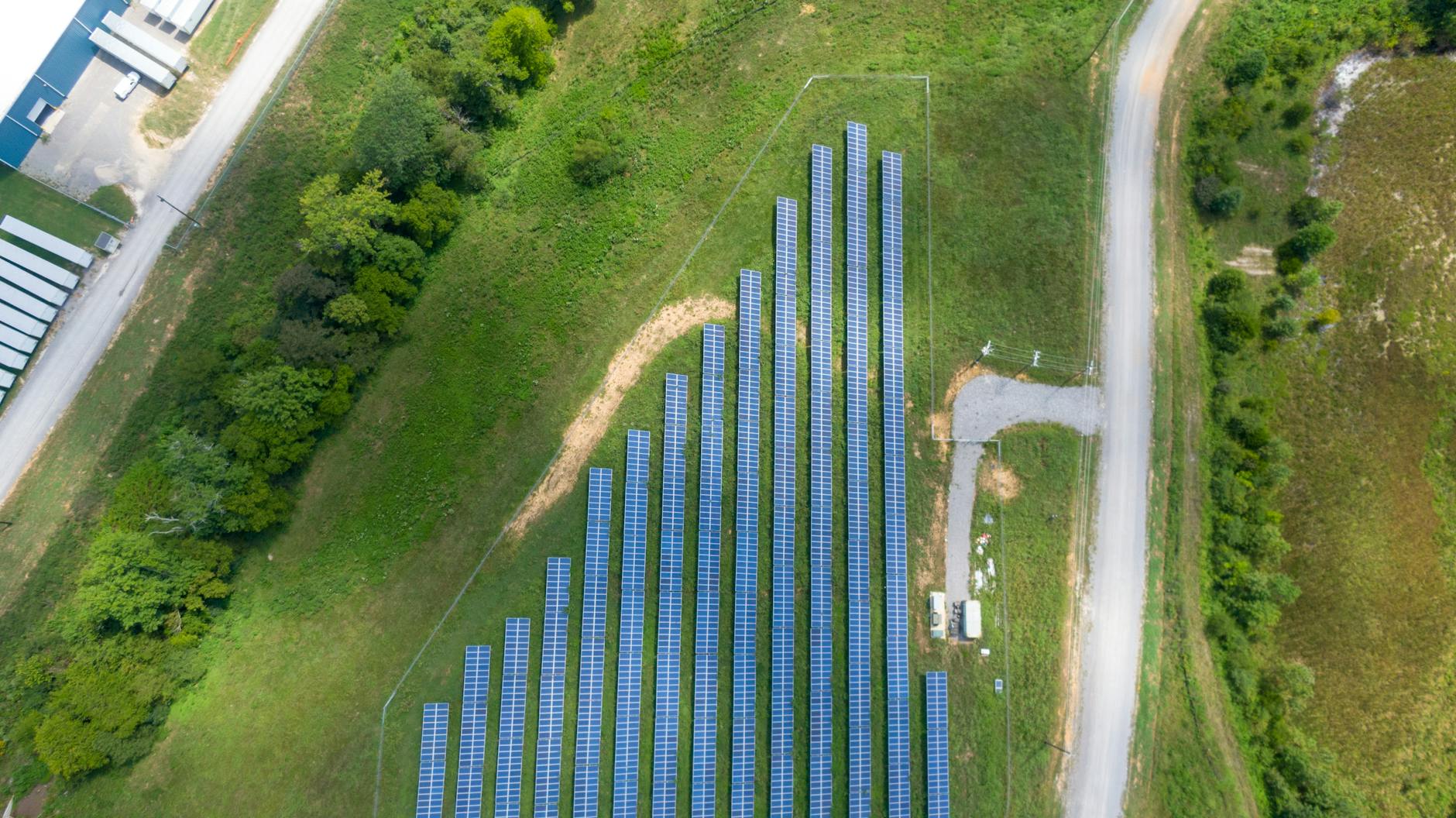
- Integration with Renewable Electricity Projects: Synergies are being sought between solar projects, such as Solaire Congo, and biomass production.
Conclusion
The Democratic Republic of the Congo stands at a decisive crossroads for its energy development. The valorization of agricultural waste offers a promising pathway not only to increase energy production but also to improve food security and promote sustainable development. By investing in this sector, the country could not only meet its growing energy needs but also contribute significantly to the fight against climate change.