Introduction
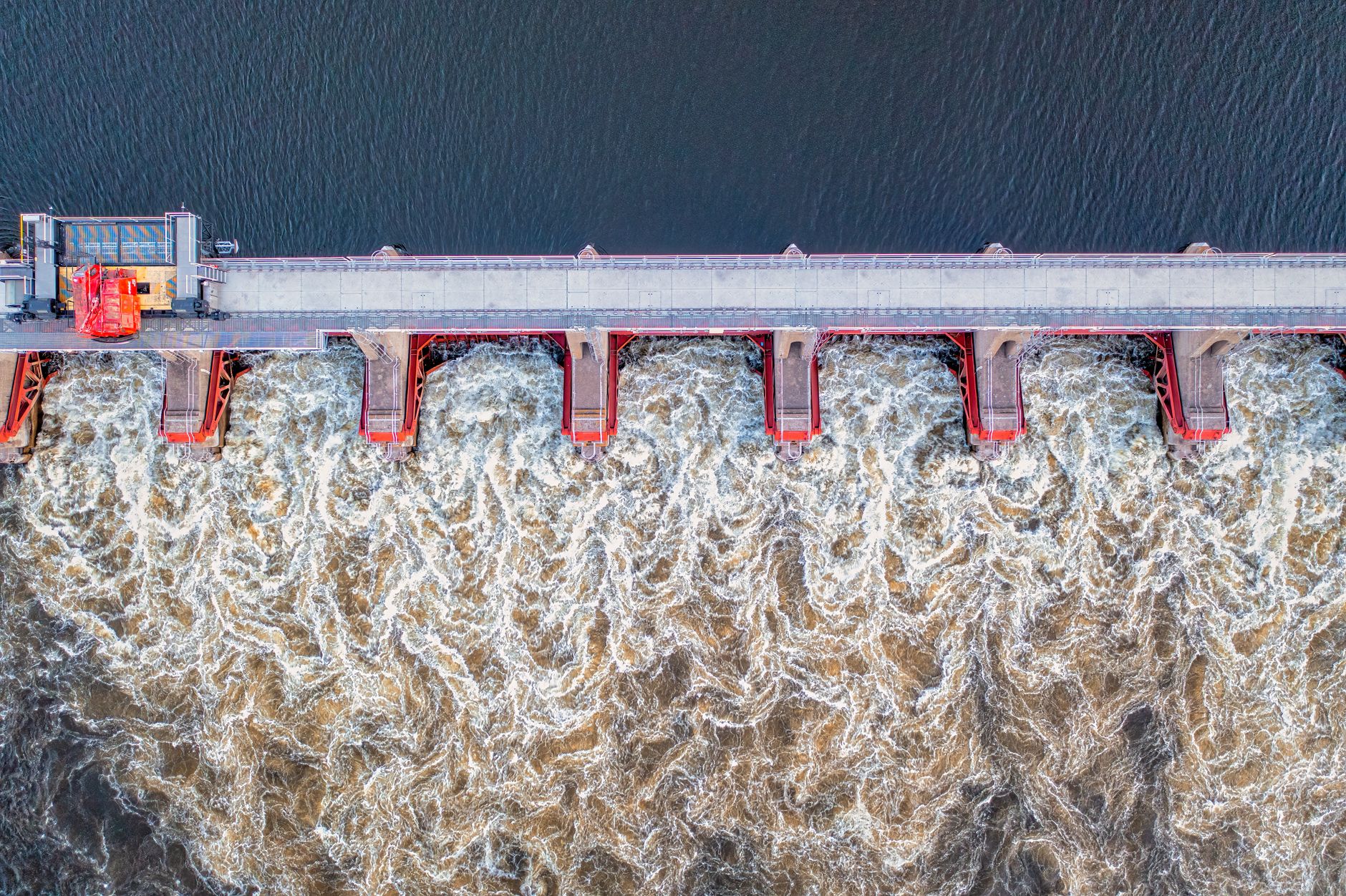
In a global context where the need to shift to sustainable energy sources is becoming urgent, the Grand Inga Project in the Democratic Republic of Congo (DRC) presents a considerable opportunity. This project, which aims to become the largest hydroelectric complex in the world, represents a strategic platform not only to provide energy to millions of Congolese but also to stimulate economic growth in the region and contribute to the energy integration of the African continent.
Energy Challenges in the DRC
The DRC, with its vast water resources, stands at a strategic crossroads for energy development. Currently, the electricity access rate in the country is estimated at only 19% of the population. This underscores the huge untapped potential and the urgent need for energy infrastructure.
- Population: 90 million inhabitants, with a majority lacking reliable access to electricity.
- Water Resources: Over 1,000 billion m³ of water per year in the Congo River.
- Projected Capacity of Grand Inga: 40,000 MW, about twice that of the Three Gorges Dam in China.
The Grand Inga Project: A Catalyst for Development
The Grand Inga Project is divided into several phases, with Inga 1 and Inga 2 already operational, generating around 1,600 MW. The construction phase of Inga 3, which is expected to begin shortly, is particularly promising. It is designed to significantly increase the country's energy capacity.
The realization of this project could also generate notable economic benefits:
- Job Creation: An estimated 20,000 direct jobs during the construction phase.
- Stimulation of the Local Economy: Increased investment in road and communication infrastructure.
- Regional Integration: Possibility of electricity exports to neighboring countries, facilitating economic integration.
Environmental and Social Challenges
Despite its immense advantages, the project also poses challenges regarding the environment and the rights of local communities. A rigorous environmental impact assessment (EIA) is essential. Moreover, the involvement of local communities in the decision-making process is crucial to ensure harmonious coexistence.
A Model for Renewable Energy
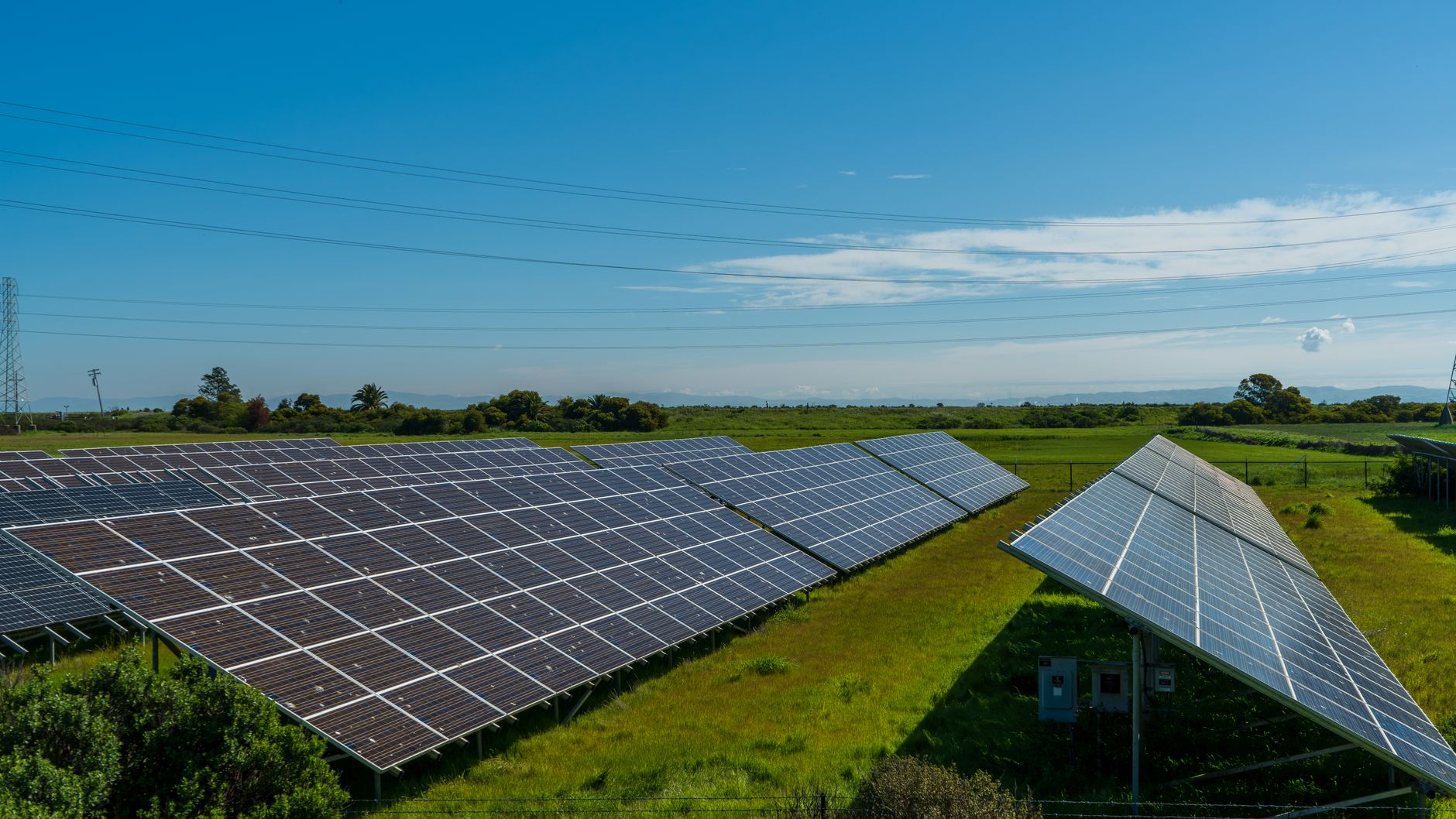
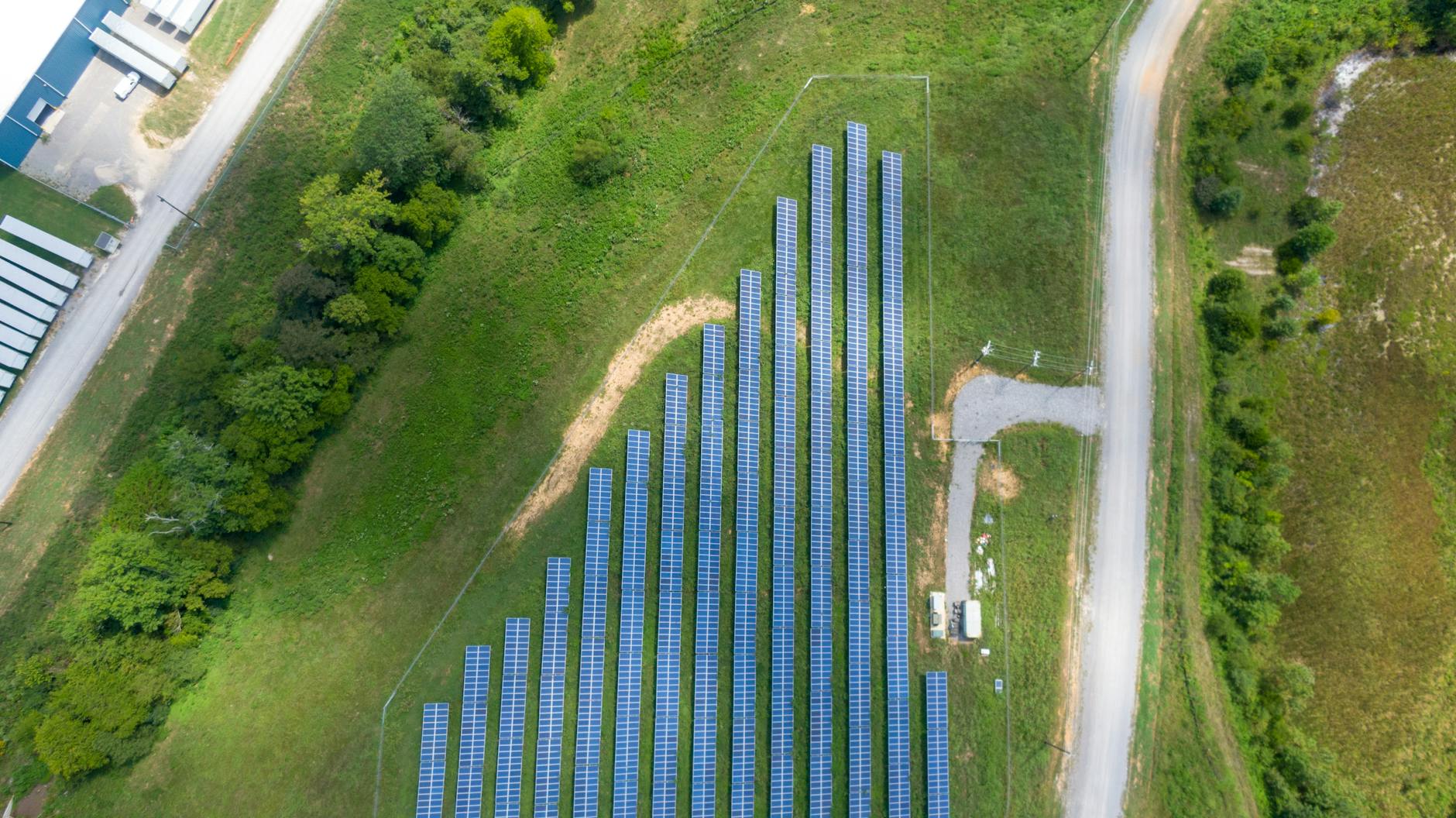
The Grand Inga should not be viewed solely as a hydroelectric project. It also represents a model for energy transition for the DRC. In parallel, the development of solar solutions, particularly in rural areas, could complement the contributions of hydroelectricity.
- Solar Potential: Approximately 4.5 kWh/m²/day of solar irradiation, creating opportunities for large-scale solar projects.
- Synergy between Energy Sources: Integration of solar and hydraulic systems for a more resilient energy grid.
Conclusion
The Grand Inga Project represents an unprecedented opportunity for the Democratic Republic of Congo and Africa as a whole. By modernizing its energy infrastructure, the DRC could not only address the challenges related to electricity access but also play a key role in the continent's energy transition. The engagement of local, national, and international stakeholders will be crucial to turning this vision into reality.