Introduction
The Democratic Republic of the Congo (DRC) is filled with untapped opportunities in the energy sector, particularly in the area of off-grid solar solutions. The country, rich in natural resources, suffers from a deficient energy infrastructure, with a rural electrification rate of about 9% according to World Bank data.
Context of Electrification in the DRC
With a population of around 90 million inhabitants, most of whom live in rural areas, the DRC faces significant challenges regarding access to electricity. Investments in the energy sector, especially in renewable energy, are crucial for supporting the country’s economic and social development.
Opportunities in the Energy Market
- The hydropower potential of the DRC is estimated at 100,000 MW, representing one of the largest renewable energy resources in the world.
- The Grand Inga project, which aims to develop the Inga III dam, could produce up to an additional 11,000 MW.
- Off-grid solar solutions provide an immediate alternative for rural areas where extending the national electricity grid is often unfeasible.
Off-grid Solar Solutions: A Major Asset for Businesses
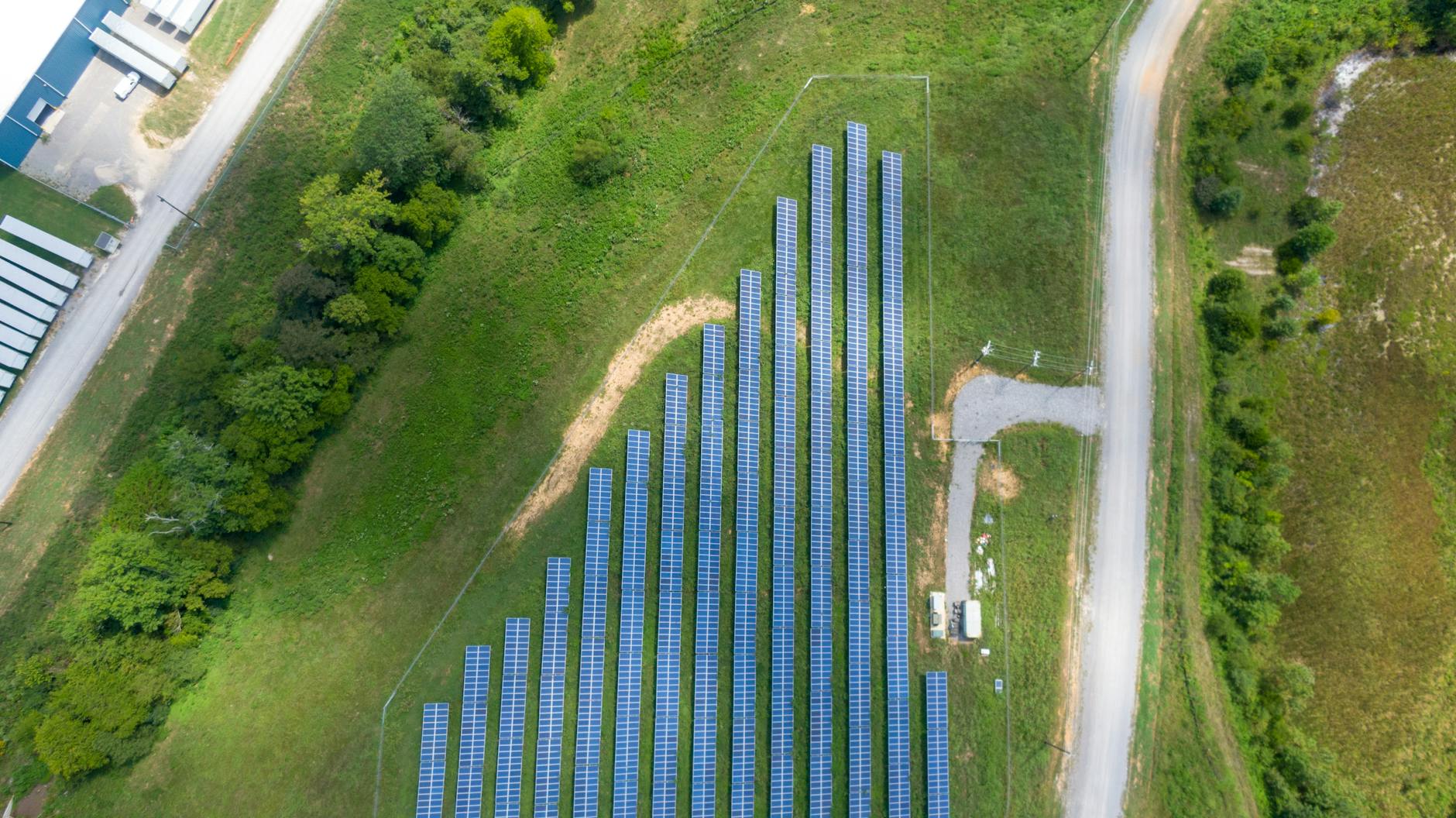
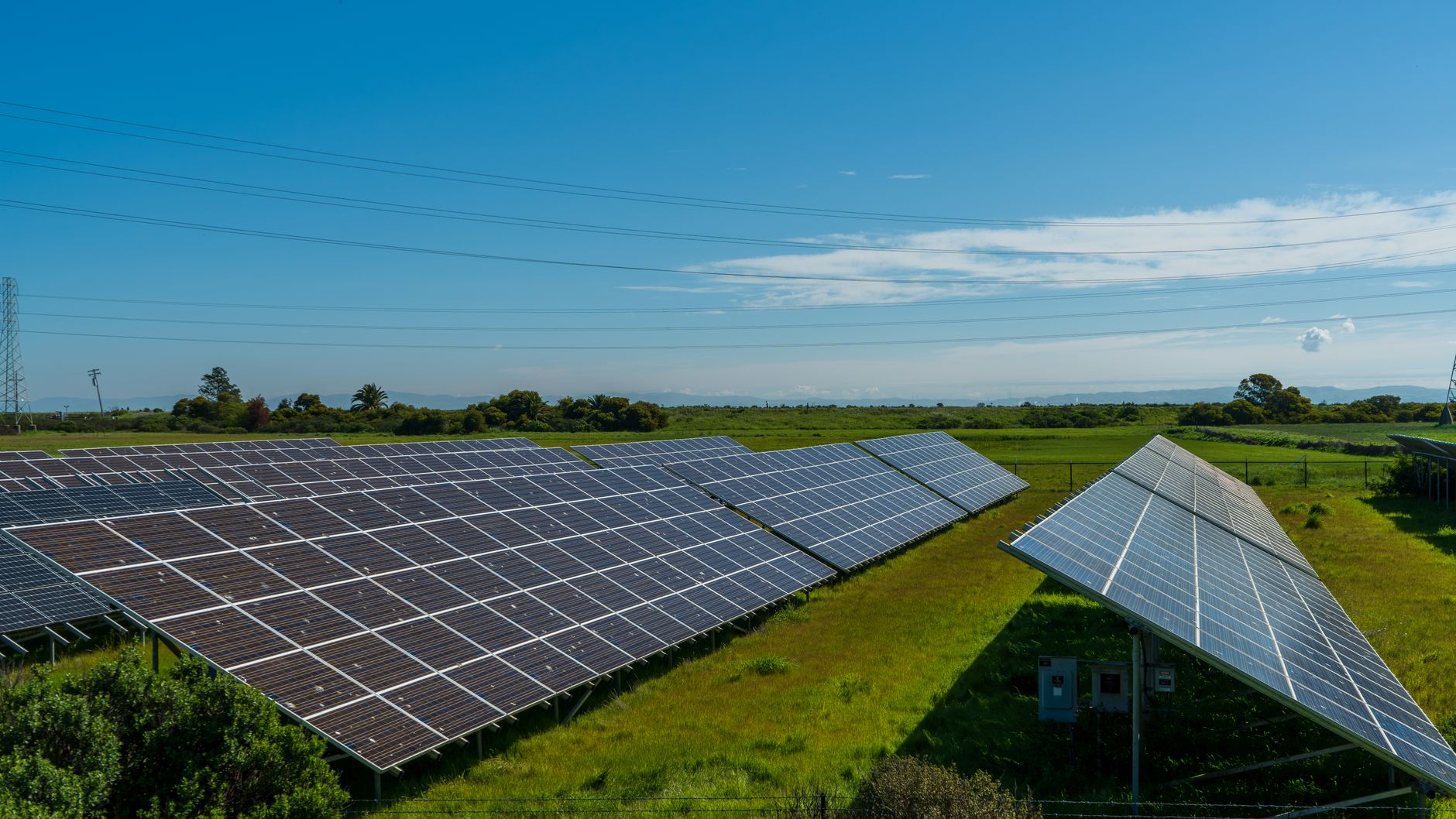
Off-grid solar systems are designed to provide autonomous energy to users without relying on the central power grid. These systems include solar panels, storage batteries, and inverters, enabling rural businesses to operate independently.
Economic Impact and Development Potential
Off-grid solar solutions can transform the rural economic landscape in the DRC. Here are some potential impacts:
- Increased productivity of businesses through reliable energy supply.
- Job creation in the solar energy sector and associated services.
- Improvement in living conditions through access to electricity for education, healthcare, and community development.
Current State and Future Prospects
Although pilot projects already exist, substantial investments are needed to further develop this sector. In 2022, the off-grid solar systems market in the DRC was estimated at $150 million, with potential for exponential growth due to increasing demand and government initiatives.
Challenges to Overcome
Despite the advantages, the sector faces several challenges:
- Lack of access to financing for local businesses.
- Regulatory uncertainties regarding the legal framework for renewable energies.
- Need for awareness and education of end-users on solar technologies.
Conclusion
In conclusion, the Democratic Republic of the Congo has immense potential to develop off-grid solar solutions that not only meet the energy needs of businesses but also stimulate sustainable economic growth. The synergy between technological innovation, government support, and private sector engagement is essential to overcoming obstacles and transforming the country’s energy landscape.