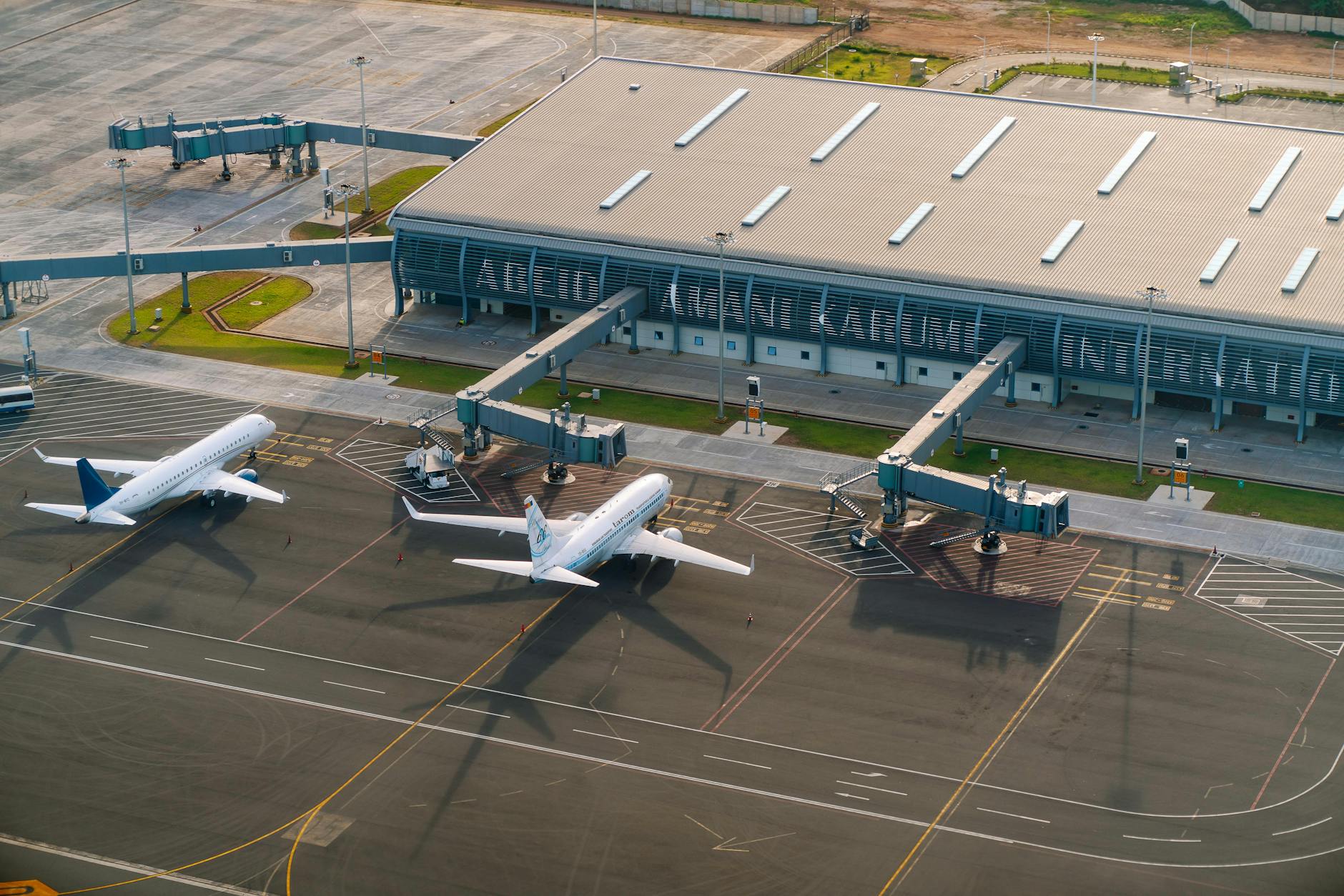
The Promise of Air Cargo Hubs in the DRC
The Democratic Republic of the Congo (DRC) boasts a rich tapestry of natural resources, yet struggles to realize its economic potential fully due to infrastructural inadequacies. With a continent-wide resurgence in air freight demands, particularly highlighted by the COVID-19 pandemic, the DRC now has a unique opportunity to modernize its airport infrastructure, particularly in Kinshasa and Lubumbashi, to serve as pivotal air cargo hubs.
Macro-economic Landscape
According to the World Bank, the DRC is endowed with substantial mineral wealth, housing over 70% of the world’s cobalt reserves, a critical component for electric batteries. This resource-rich environment has consistently attracted foreign investment, yet the infrastructural deficit remains a bottleneck.
With GDP growth rates projected to average around 4% in the next five years, the DRC is on a path to recovery. However, this growth can't be sustained without drastic improvements in infrastructure. The government's commitment to enhance transport facilities forms a vital element of its broader strategy to stimulate economic development and attract foreign direct investment (FDI).
Current State of Airports
The international airports of Kinshasa (N'djili Airport) and Lubumbashi are currently limited in capacity and efficiency. Both airports face significant challenges regarding outdated infrastructure, insufficient cargo terminals, and lack of modern handling equipment. The international air cargo market is blooming, yet DRC’s capacity to fulfill growing demands is hindered by these constraints.
- Kinshasa: The airport handles approximately 600,000 passengers and 15,000 tons of cargo annually.
- Lubumbashi: This airport's capability is even lower with around 300,000 passengers and about 5,000 tons of cargo each year.
Benefits of Modernization
Modernizing these airports through Public-Private Partnerships (PPPs) can provide a multifaceted approach to enhancing logistics capabilities while distributing the financial burden among private investors.
- Improved Capacity: Upgraded facilities would significantly increase air cargo handling capacities, enabling the DRC to operate as a major hub for both regional and international freight.
- Efficient Logistics: Enhanced logistics services could streamline trade operations, reducing turnaround times for cargo shipments which are currently plagued by inefficiencies.
- Attracting Investors: Improved infrastructure would attract global logistics companies; the presence of established players could facilitate knowledge transfer and technology adoption.
- Boosting the Economy: Direct and indirect job creation resulting from airport modernization and resulting economic activity could uplift thousands out of poverty.
Investment Opportunities
The DRC government’s favorable stance towards PPPs offers substantial opportunities for investors keen on entering the rapidly evolving logistics space of Central Africa. Potential investment avenues include:
- Cargo Facility Development: The establishment of state-of-the-art cargo terminals equipped with modern technology to manage air freight efficiently.
- Logistics Support Services: Creating a network of ancillary services including customs clearance, warehousing, and distribution.
- Technology Integration: Facilitating the seamless application of digital technologies for tracking and managing air freight operations.
Strategic Importance of Kinshasa and Lubumbashi
Kinshasa and Lubumbashi are strategically located to serve not only the DRC, but also the entire Southern African region. Kinshasa's proximity to the Atlantic Ocean provides a direct link for international trade, while Lubumbashi is a gateway to mining activities in the Katanga region, which can leverage its position for resource exports.
Enhancing airport infrastructure in these cities would result in a significant reduction in logistics costs for the transport of goods, encouraging both local industries and foreign partners to exploit DRC's rich natural resources.
Global Benchmarking and Competitiveness
Comparatively, regional leaders like Rwanda and Ethiopia have capitalized on their strategic locations by modernizing their air freight systems, which has seen their logistics and cargo sectors flourish. If the DRC successfully upgrades its airport infrastructure, it could integrate more deeply into global supply chains, garnering additional economic benefits.
Challenges Ahead
Despite the favorable outlook, challenges remain. Ensuring political stability, addressing corruption, and fostering a regulatory environment conducive to foreign investment are essential to achieving these ambitious infrastructural upgrades.
Conclusion: A New Chapter in DRC's Growth
The DRC stands on the precipice of a new economic era. By modernizing airports in Kinshasa and Lubumbashi, the DRC can unlock its potential as a significant player in the African logistics landscape, thereby attracting capital, creating jobs, and stimulating economic development. With the right strategies in place, this investment opportunity promises not only profitable returns but also a historical shift in the DRC's logistical capabilities.