Introduction
The Democratic Republic of the Congo (DRC) has significant natural resources and a growing population, making it a promising environment for investment. However, the development of transport infrastructure, particularly to connect production areas to ports and international markets, remains a major challenge that requires immediate attention.
Current State of Transport Infrastructure in the DRC
The DRC is the second largest country in Africa, covering an area of 2.34 million square kilometers. Yet, its transport network is underdeveloped. According to World Bank data, less than 10% of roads are paved, making access to markets difficult for producers.
Logistics and Accessibility Challenges
The logistics system in the DRC faces numerous obstacles, including:
- Insufficient and poorly maintained road infrastructure.
- Underutilized navigable rivers resulting in high transport costs.
- Lack of adequate railway infrastructure.
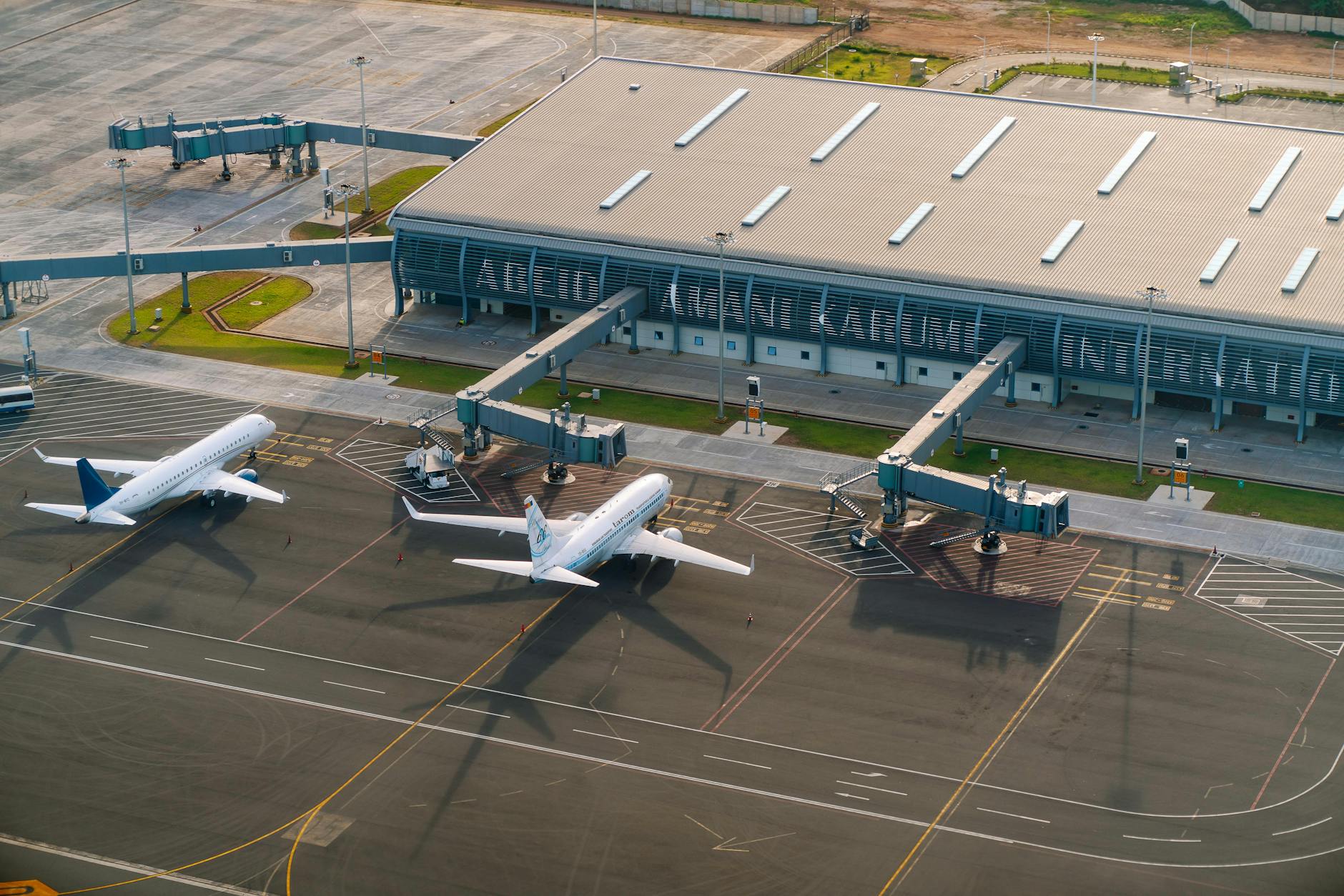
- Insufficient port facilities on the Atlantic and lake shores.
Economic Impacts
The lack of appropriate transport infrastructure has a detrimental impact on the national economy, with logistics costs reaching about 30% of the final product price, compared to 7 to 10% in countries with similar income levels, according to recent studies.
Transport Corridors: A Strategic Opportunity
Transport corridors represent a viable solution to overcome the aforementioned challenges. By linking production areas to local and international markets, the DRC can not only improve logistical efficiency but also stimulate its economy.
Ongoing Projects and Partnership Initiatives
Various initiatives are underway to develop these corridors, including:
- The North Corridor project, linking Kinshasa to the port of Matadi, to reduce transport time.
- The Lubumbashi Corridor, which will facilitate access to Zambian and South African markets.
- Public-Private Partnerships (PPP) for the modernization of road and rail infrastructure.
Potential of Public-Private Partnerships (PPP)
PPPs are essential to mobilize the financial and technical resources needed for the development of transport infrastructure. Foreign investors can benefit from favorable conditions and a competitive return on investment thanks to a skilled local workforce and abundant natural resources.
Benefits of Developing Transport Corridors
The development of transport corridors offers various advantages:
- Improved market access for producers.
- Reduced logistical costs and increased competitiveness.
- Creation of local jobs and increased incomes.
- Facilitation of regional integration and development of cross-border trade.
Market Statistics and Projections
The DRC ranks among the least developed countries, but with a nominal GDP of USD 56 billion in 2022 and a projected growth of 4.4% for 2023, the investment potential remains positive. Forecasts indicate that infrastructure projects could generate nearly USD 3 billion in revenue by 2025.
According to World Bank projections, every dollar invested in infrastructure could yield a return of 3 to 4 dollars in economic activities, highlighting the strategic importance of accelerating the development of transport corridors.
Conclusion
The development of transport corridors is crucial for the DRC to capitalize on its resources and economic potential. The commitment of all stakeholders, including the government, private investors, and development partners, will be pivotal in overcoming logistical challenges and shaping a prosperous future. By optimizing infrastructure, the DRC can not only improve the quality of life for its citizens but also establish sustainable trade relations at the regional and international levels.