Introduction
The Democratic Republic of Congo (DRC) is a key player in the global mining sector, particularly concerning cobalt and copper. In 2022, the DRC produced approximately 120,000 tons of cobalt, representing nearly 70% of global production. However, the artisanal sector, which accounts for a substantial segment of this production, is often associated with unethical practices and informality. In this report, we will analyze the reforms necessary for the formalization of the artisanal sector to ensure an ethical and sustainable supply chain.
Current State of the Artisanal Mining Sector in DRC
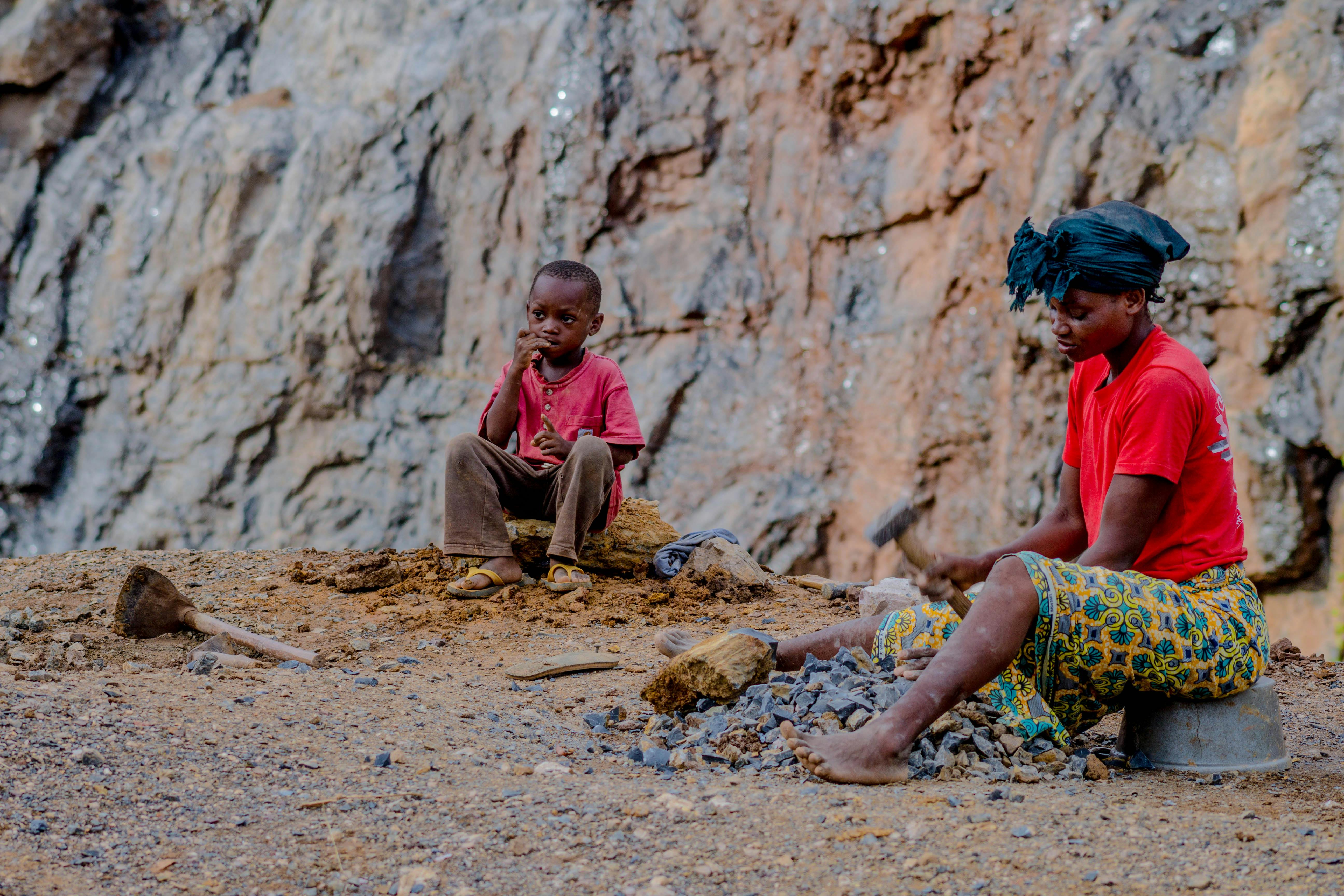
The artisanal mining sector in the DRC employs between 1.5 and 2 million people, mostly in the Haut-Katanga and Lualaba provinces. However, it is often characterized by:
- Informality: 90% of miners working in the artisanal sector do not have a legal permit.
- Precarious working conditions: The majority of miners are exposed to health and safety risks.
- Absence of traceability: The supply chain remains opaque, promoting illegal trade.
The Stakes of Formalization
The formalization of the artisanal mining sector presents significant social, economic, and environmental benefits:
- Improvement of working conditions: By regularizing the status of miners, it is possible to ensure appropriate health and safety conditions.
- Attraction of investments: Foreign investors are increasingly sensitive to ethical issues. A formalized supply chain could stimulate mining investments, essential for the country's economic development.
- Environmental sustainability: Effective regulation would allow for the management of environmental impacts related to mining activities.
Legal Framework and Reform Policy
The Congolese government, in collaboration with international organizations such as the World Bank and the African Development Bank (ADB), has undertaken various initiatives aimed at regularizing the artisanal sector. These initiatives include:
- Revisions to the 2002 Mining Code: A necessary reform to adapt legislation to the realities of the sector.
- Establishment of certification mechanisms: The adoption of a mineral certification system to ensure their traceability.
- Capacity building for local stakeholders: Training programs to raise awareness and educate miners on best practices.
Investment Perspectives in the Formalized Sector
According to forecasts established in the Mining Industry Investment Report 2023, the DRC could achieve revenues exceeding 3 billion US dollars in the mining sector by 2025, provided there is good resource management and successful formalization. Companies with responsible practices and transparency in their supply chain could benefit from the rising global demand for ethical minerals.
Conclusion
The formalization of the artisanal mining sector in the Democratic Republic of Congo represents a major opportunity to address current challenges while maximizing the country's economic potential. By emphasizing ethics in the supply chain, the DRC could ultimately position itself as a model of sustainability and responsibility in the global mining sector. In this context, it is crucial for all stakeholders, including the government, businesses, international organizations, and local communities, to collaborate to bring this shared vision to life.