Introduction
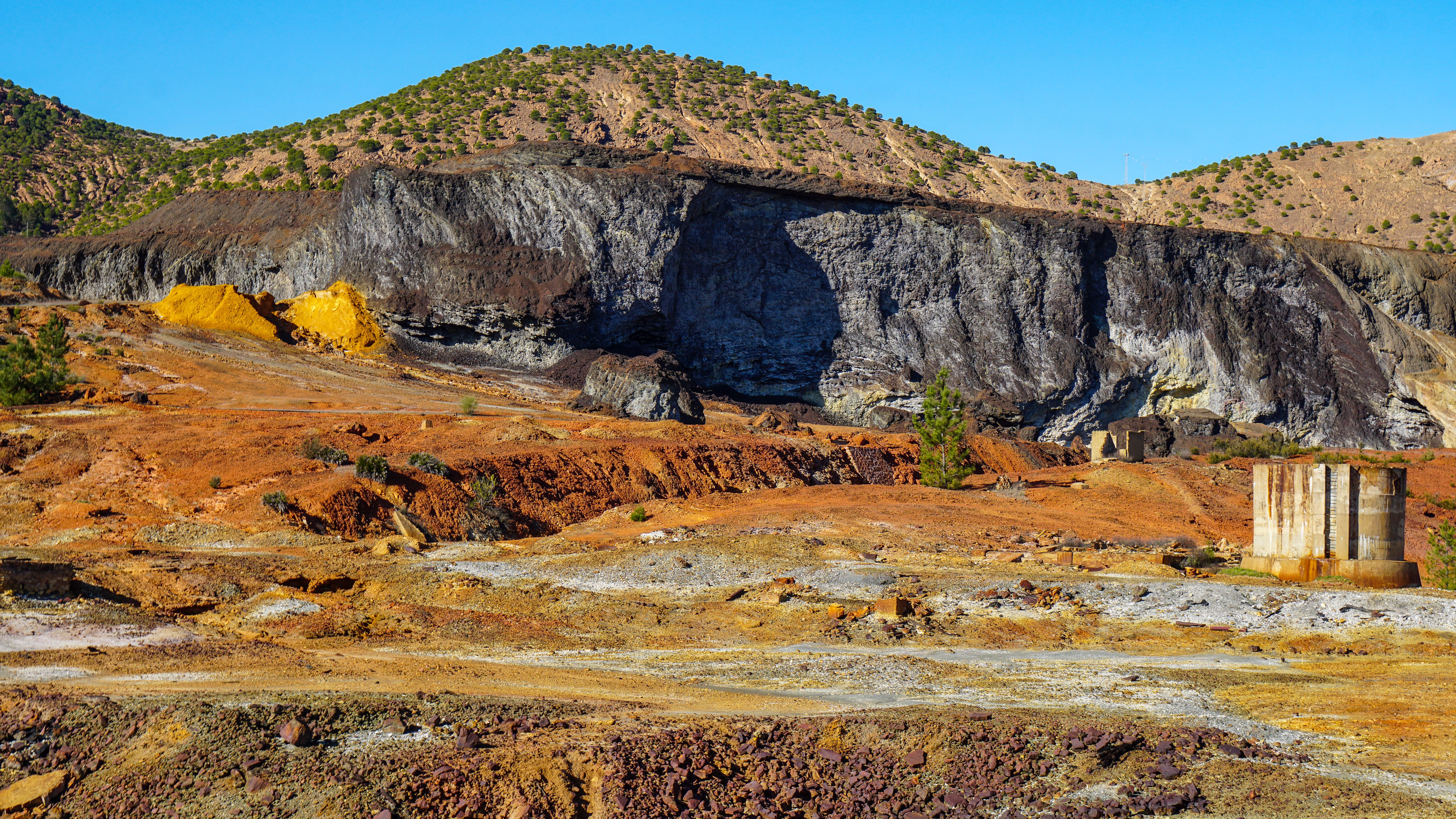
The Democratic Republic of the Congo (DRC) is richly endowed with strategic mineral resources, particularly copper and cobalt, which are essential for modern technologies, including electric vehicles and energy storage. However, despite this abundance of resources, the added value generated by the country remains limited due to local refining and processing activities.
Market Analysis of Minerals in the DRC
The mining sector accounts for about 20% of the DRC's Gross Domestic Product (GDP) and around 90% of its exports. In 2022, the country was the world's leading producer of cobalt, representing nearly 70% of global production, with approximately 180,000 tons extracted. Copper, in turn, also saw a significant increase in production, reaching nearly 1.6 million tons.
The Challenges of Local Processing
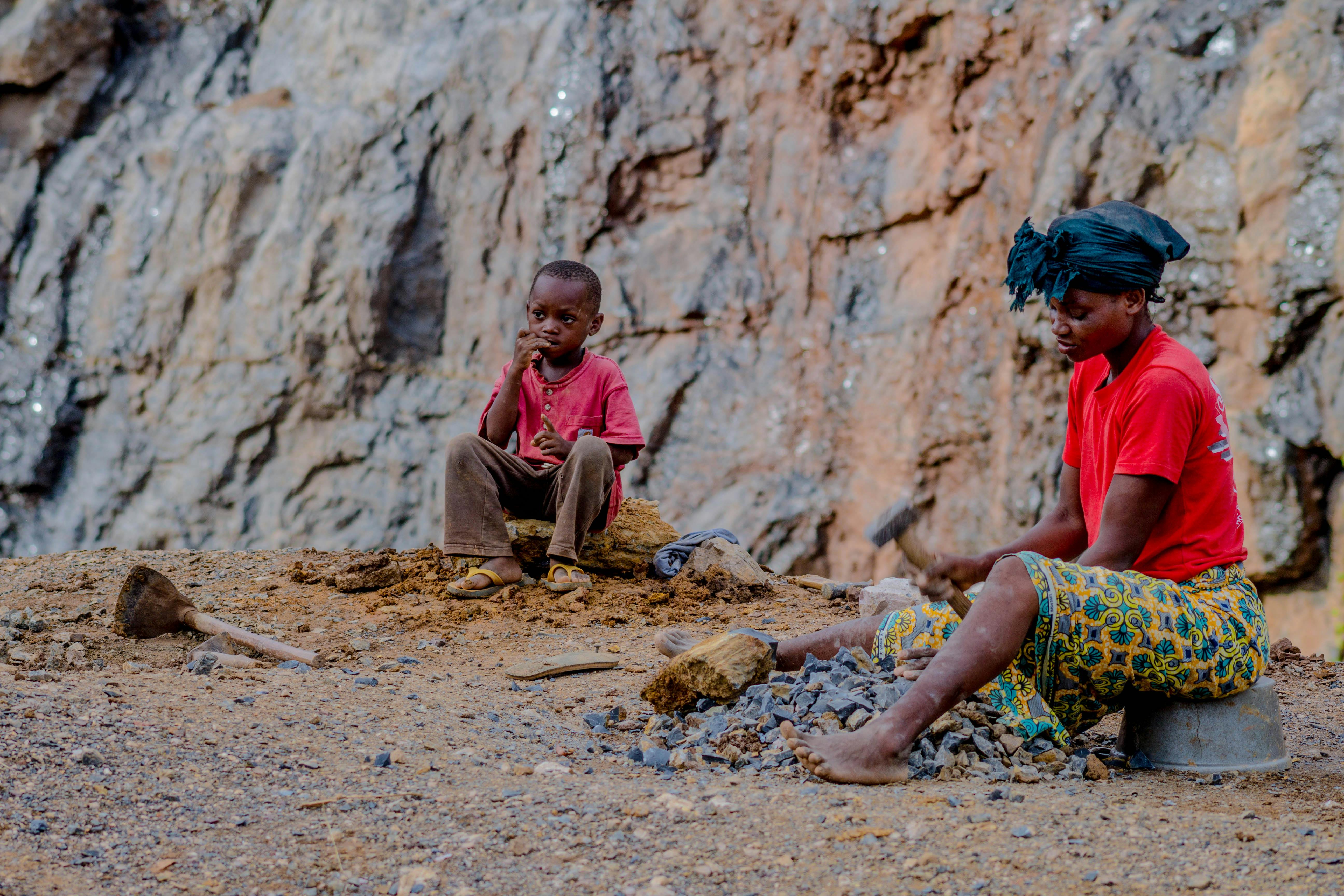
Although the DRC possesses some of the largest reserves of copper and cobalt in the world, the majority of the minerals are exported in raw form. Indeed, less than 15% of cobalt production is refined locally. This represents a significant missed opportunity for value creation. Local refining could generate thousands of direct and indirect jobs and multiply economic benefits in surrounding communities.
Potential for Value Added Creation
The establishment of processing and refining units in the DRC could generate considerable added value. For example:
- Cobalt: The price of cobalt reached approximately 50,000 USD per ton in 2022, while the cost of exported raw ore is estimated at less than 10,000 USD per ton.
- Copper: Copper prices fluctuated around 9,000-10,000 USD per ton. Refining in the DRC could capture a much larger share of this value.
Development of Infrastructure and Investment Incentives
To attract the necessary investment for local processing, the DRC must improve its transport, energy, and communication infrastructure. Special economic zones for mineral processing could also be established to offer tax and regulatory incentives to investors. However, legal security must be ensured to strengthen the confidence of foreign investors.
The Regulatory Framework and Institutional Efforts
The Congolese government has recently taken steps to reform the mining code to promote investment and local processing. This includes regulations to encourage the development of integrated mining value chains. Additionally, public-private partnerships can play a crucial role in this transformation by mobilizing the necessary technical expertise and capital.
Conclusion
The DRC has unparalleled potential to become a leader in the refining and processing of minerals. By effectively utilizing its resources and improving its investment framework, the country could not only strengthen its economy but also contribute to the global energy transition. Stakeholders in the sector, both local and international, have a unique opportunity to get involved, contribute to creating added value, and support sustainable development in the DRC.