Introduction
The Democratic Republic of the Congo (DRC) is asserting itself as a world leader in cobalt, essential for energy storage technologies, notably lithium-ion batteries. With abundant natural resources and a strategic position, the DRC plays a crucial role in the global energy transition, offering significant investment potential for economic players.
Overview of the global cobalt market
Cobalt is a precious metal primarily used in the manufacture of batteries for electric vehicles (EVs) and electronic devices. Currently, the cobalt market is estimated at around 5.4 billion USD, with an annual growth forecast of 7.5% by 2028. This growth is mainly driven by the increasing demand for electric vehicles, which is expected to reach 30 million units by 2030.
Key market players
- Mining companies: primarily based in the DRC, they account for 70% of global cobalt production.
- Battery consortiums: which seek to secure sustainable and transparent supply chains.
- Governments and regulatory bodies: which develop investment-friendly policies for mines.
The dominant position of the DRC
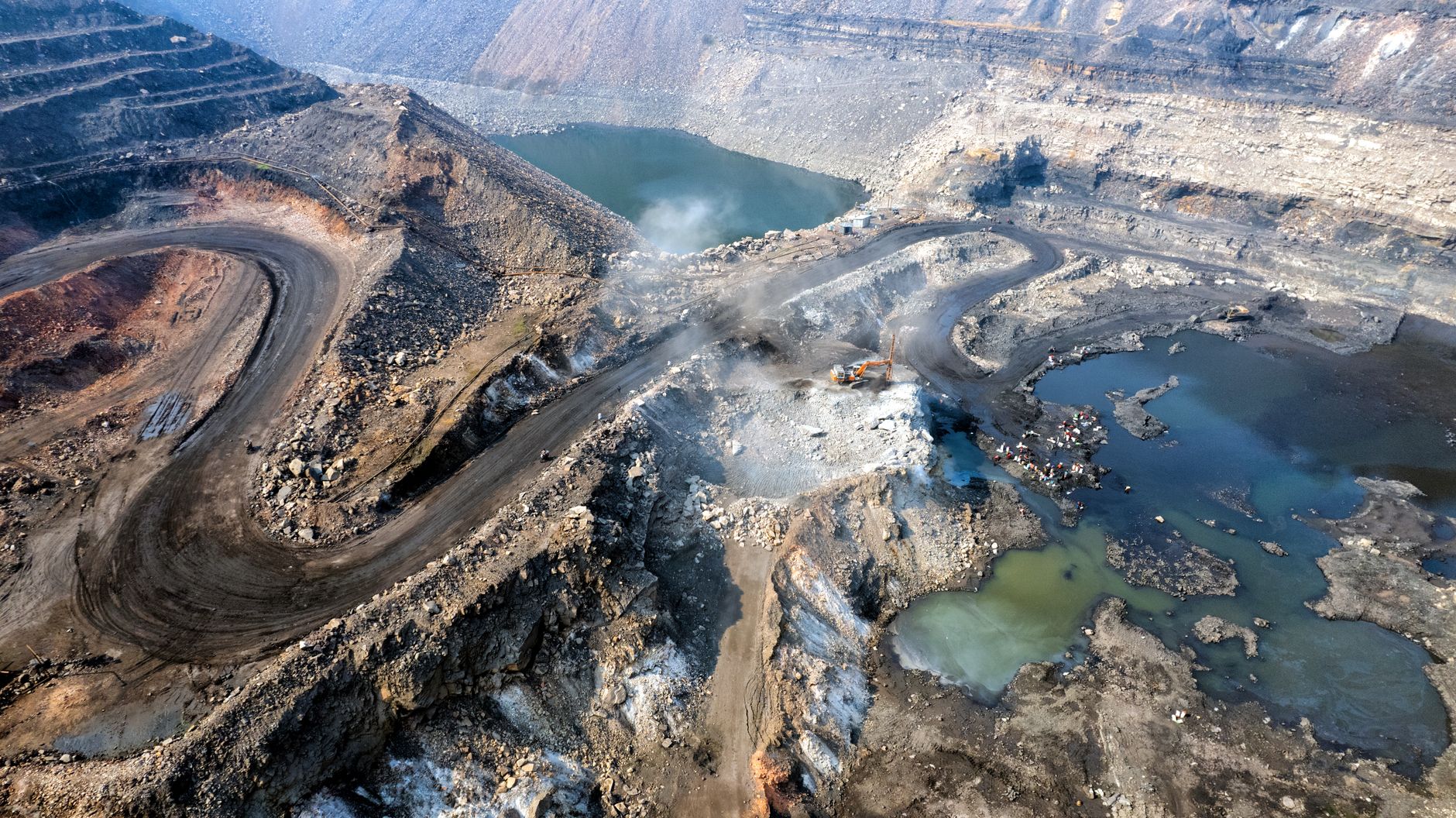
For several years, the DRC has established itself as the world's leading source of cobalt, producing over 70% of the cobalt extracted globally, with production reaching 120,000 tons in 2022. Major cobalt mines, such as those in Katanga, offer expansion potential, supported by increasing foreign investments.
Strengths of the DRC for mining investments
- Resource wealth: The DRC has cobalt reserves estimated at 3.4 million tons, representing 50% of global reserves.
- Developing infrastructure: Government efforts to improve transport and energy infrastructure facilitate access to mining sites.
- Evolving mining regulations: The DRC government has introduced reforms to attract investments while ensuring environmental protection.
Economic and social impacts of the mining industry
The mining sector is not only a driver of economic growth for the DRC but also generates significant social benefits. In 2021, it accounted for 25% of the country’s gross domestic product (GDP), with spillover effects on employment and community development.
Contributions of the mining sector
- Job creation: The industry is a major employer, providing nearly 300,000 direct and indirect jobs.
- Infrastructure development: Mining projects stimulate the growth of essential infrastructure such as electricity, roads, and hospitals.
- Support for local communities: Corporate social responsibility (CSR) programs contribute to education, health, and local infrastructure projects.
Challenges to overcome
Despite its major potential, the DRC faces significant challenges that could influence the attractiveness of its mining sector:
- Political instability: The sometimes volatile political situation can harm investment security.
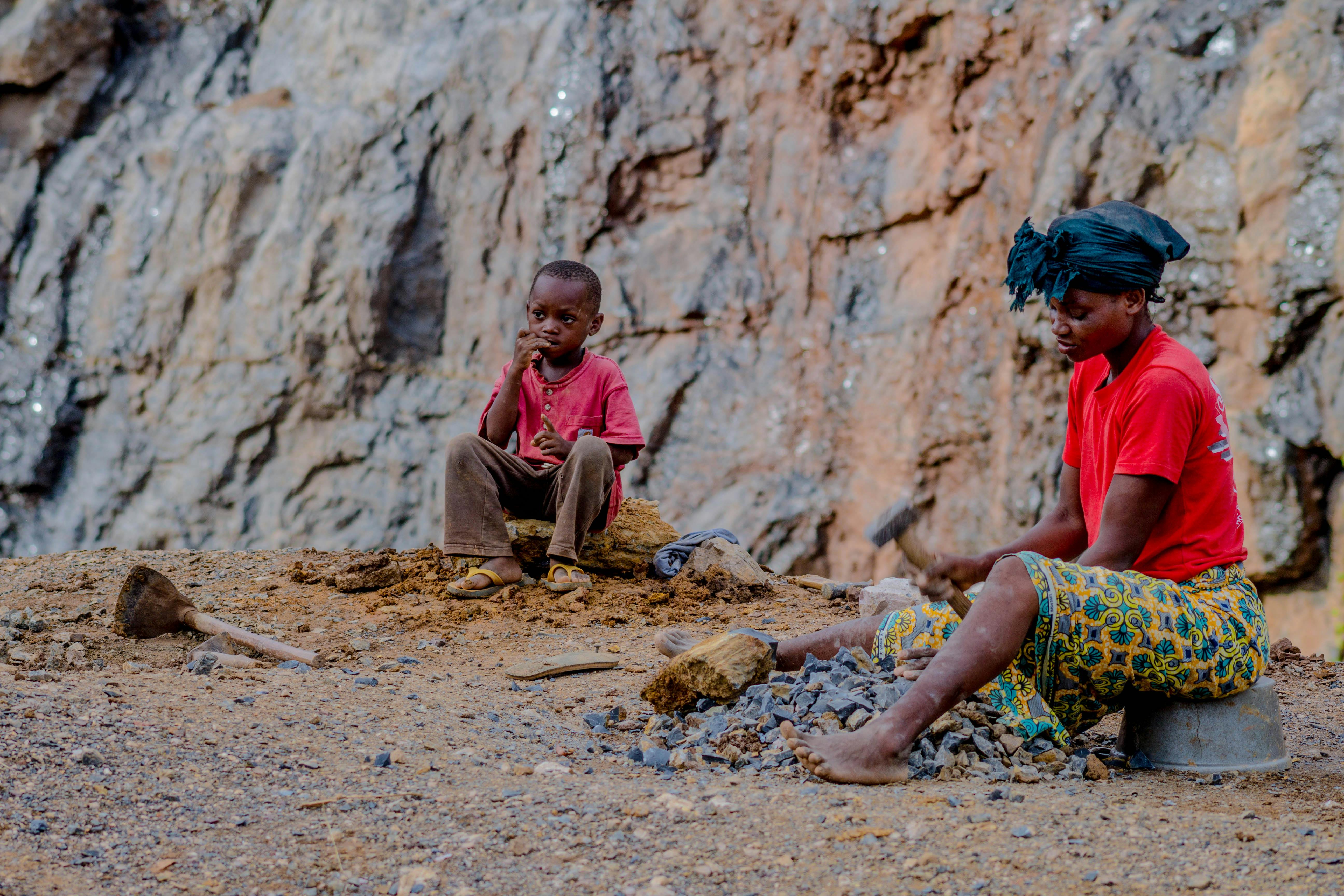
- Working conditions in mines: Concerns remain about working conditions and human rights in the artisanal and small-scale sector.
- Environmental degradation: The need for sustainable mining practices is crucial to preserve ecosystems.
Future perspectives and recommendations
To maintain its leading position in the cobalt market, the DRC must adopt a robust investment strategy aimed at strengthening infrastructure, effectively regulating the industry, and ensuring environmental sustainability.
Key recommendations
- Enhance transparency: Introduce measures to ensure transparency in cobalt supply chains.
- Encourage innovation: Invest in research and development to explore sustainable extraction methods.
- Collaborate with international organizations: Work with global stakeholders to establish sustainability standards.
Conclusion
In summary, the Democratic Republic of the Congo positions itself as an indispensable player in the global energy transition, as the leading producer of cobalt. Investment opportunities in the mining sector, supported by strategic reforms, improved infrastructure, and international partnerships, can lead to sustainable economic development, beneficial for the well-being of Congolese people and for the global community.