Introduction
The Democratic Republic of the Congo (DRC) positions itself as a key player in the global mining sector, notably due to its abundant resources of copper and cobalt. Economically, the country is experiencing a growing interest from international investors, attracted by its untapped deposits and initiatives to modernize mining infrastructure. This article delves into the current state of the copper market in the DRC, new developing deposits, and efforts being made to modernize infrastructure.
Current State of the Copper Market in the DRC
The DRC is home to one of the largest copper reserves in the world, with an estimated production of around 1.4 million tons in 2022, and forecasts of sustained growth. According to data from the DRC Mines Bureau, the country holds about 40% of the world's cobalt reserves, a vital mineral in the production of lithium-ion batteries.
Economic Context
- GDP Growth: The DRC's GDP recorded a growth of 6.1% in 2022, supported by the mining sector.
- Metal Prices: Copper prices exceeded 9000 USD per ton, stimulating investments...
- Foreign Investments: Foreign direct investment (FDI) inflows in the mining sector in the DRC reached 1.4 billion USD in 2022.
New Copper Deposits
In a context of strong global demand for copper, particularly in the fields of electric mobility and renewable energy, the DRC is discovering promising new deposits. Among these, the Tenke Fungurume and Kamoa-Kakula projects are among the most notable.
Major Projects
- Kamoa-Kakula: This project, owned by Ivanhoe Mines, could produce up to 400,000 tons of copper per year, positioning the DRC among the top global producers.
- Tenke Fungurume: With reserves estimated at 6 million tons of copper, this deposit enhances the DRC's production capacity.
Modernization of Mining Infrastructure
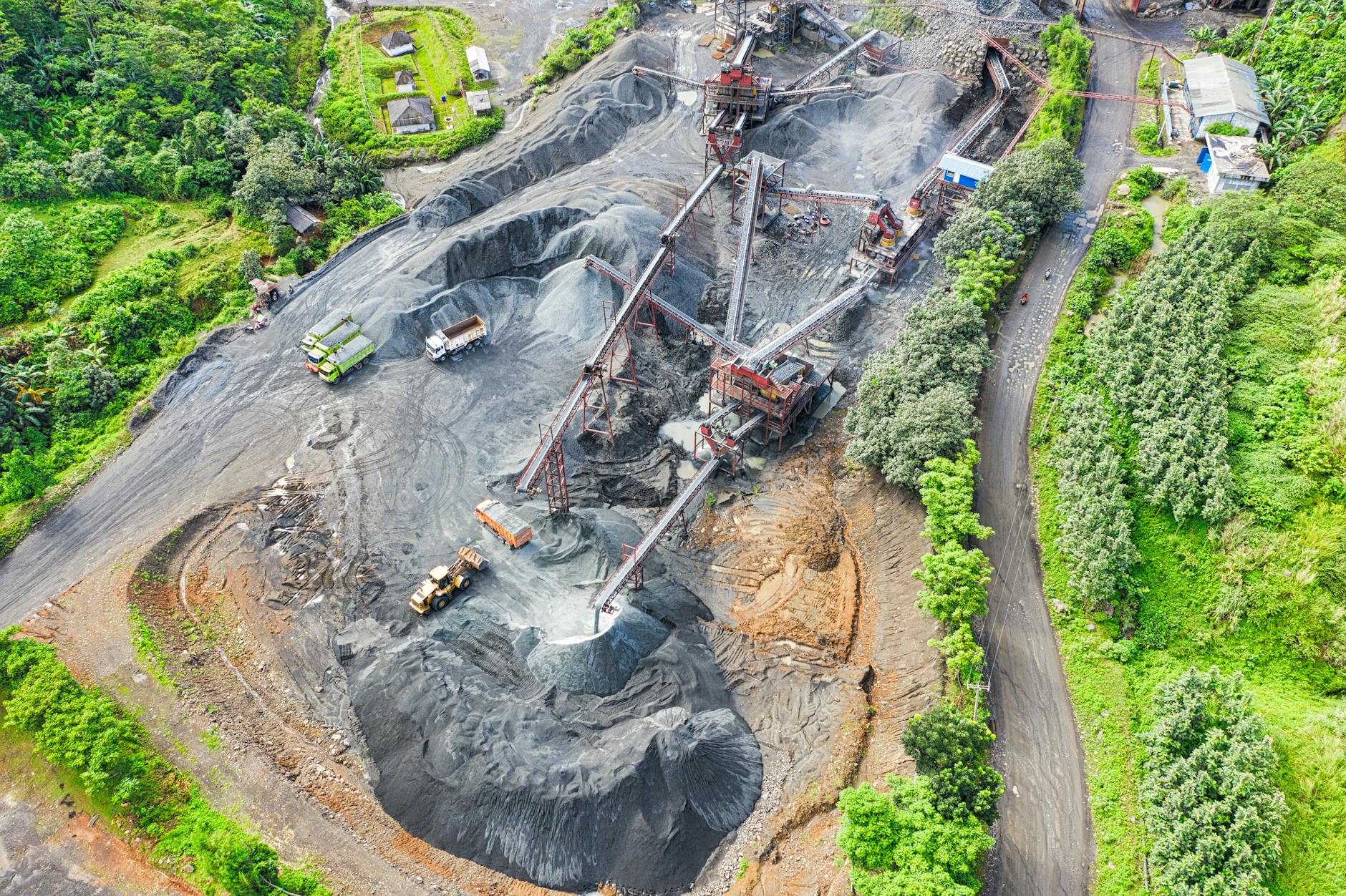
To support the expansion of production, modernizing infrastructure is crucial. The Congolese state, in partnership with private investors, is implementing infrastructure projects that are expected to improve logistics and facilitate access to mining sites.
Ongoing Initiatives
- Road Network: Improving and widening the roads leading to major mines will facilitate the transportation of minerals.
- Rail Transport: Rehabilitation of the railway network will significantly reduce logistics costs.
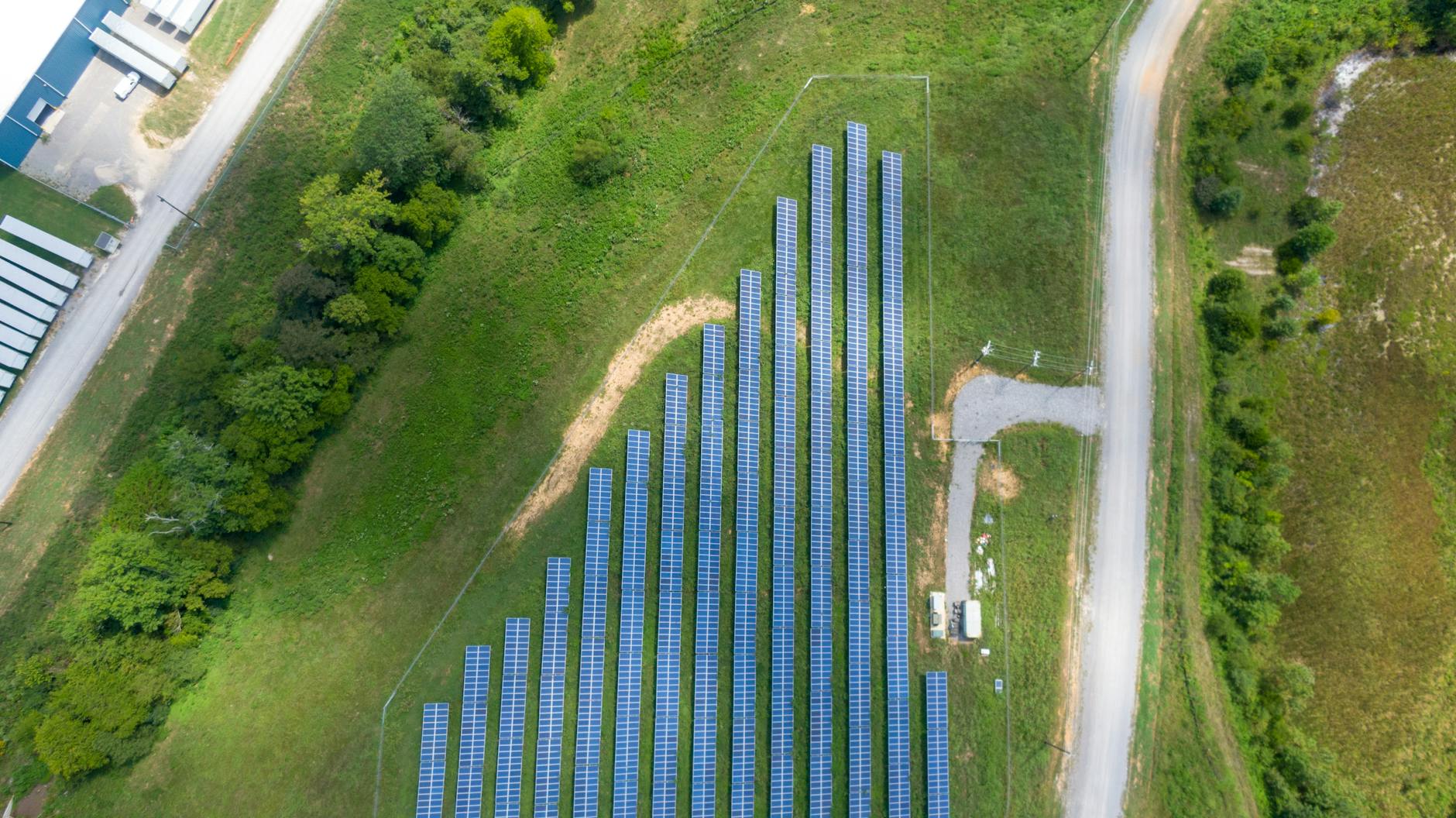
- Energy: Increasing energy capacity through hydropower and renewable sources will support mining activities.
Challenges and Perspectives
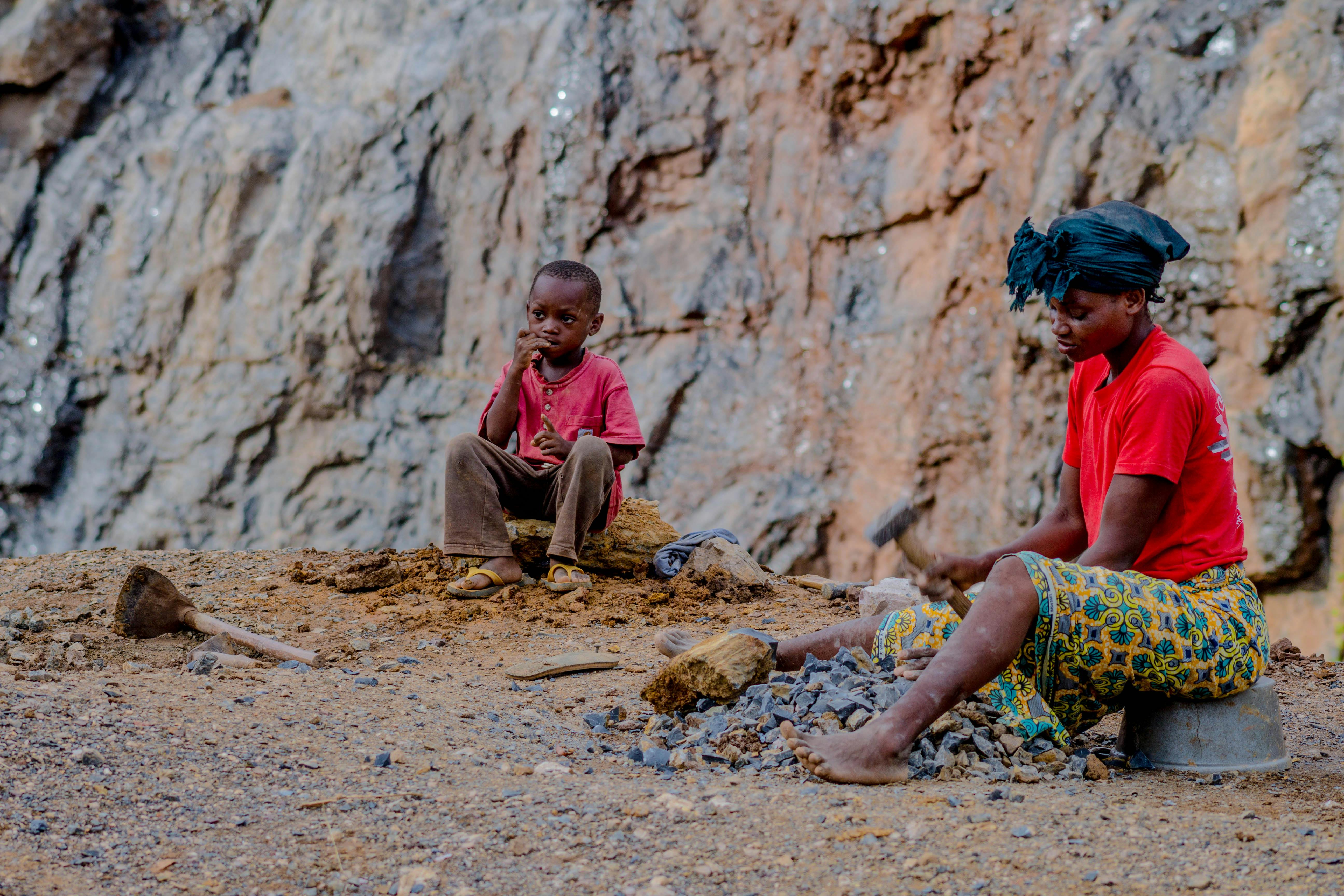
Despite these advances, the DRC faces several challenges, including governance, the need for better environmental regulation, and human rights issues in the mining sector. However, the outlook remains optimistic, with significant economic growth potential.
Improvement Strategies
- Strengthening Governance: Better transparency and combating corruption are essential for attracting more investments.
- Sustainable Development: Integrating sustainable mining practices must become a priority to support the local economy.
Conclusion
The expansion of copper production in the DRC is not only an opportunity for the country but also a key factor for the economic development of the region. With promising deposits and infrastructure modernization underway, the DRC is on its way to becoming a leader in the global mining sector. The commitment of stakeholders to overcome current challenges will be crucial in realizing this potential.