Introduction
The Democratic Republic of the Congo (DRC) is the world's leading producer of cobalt, accounting for 70% of global supply. This strategic metal, essential for electric vehicle batteries, represents a major opportunity for the country. However, the artisanal sector, which comprises 15% of the mining industry, requires extensive reform to address contemporary economic, social, and environmental challenges.
Current state of the artisanal mining sector in the DRC
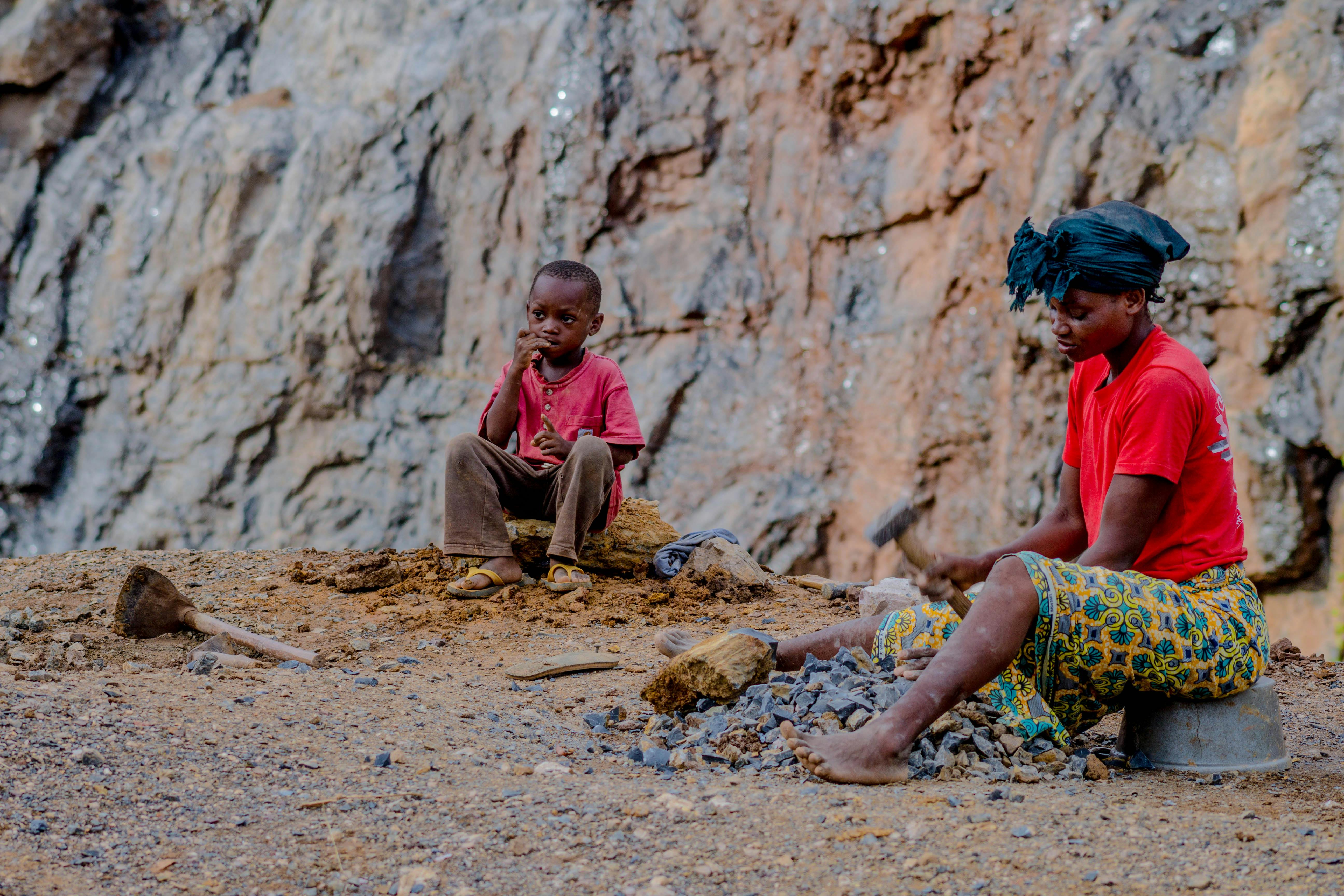
The DRC hosts a multitude of artisanal operators engaged in the extraction of cobalt and copper. In 2022, the country produced approximately 200,000 tonnes of cobalt and 1.5 million tonnes of copper. However, around 30% of this production comes from artisanal mining, often characterized by precarious working conditions and insufficient safety standards.
- Working conditions: The majority of miners work without appropriate protective equipment.
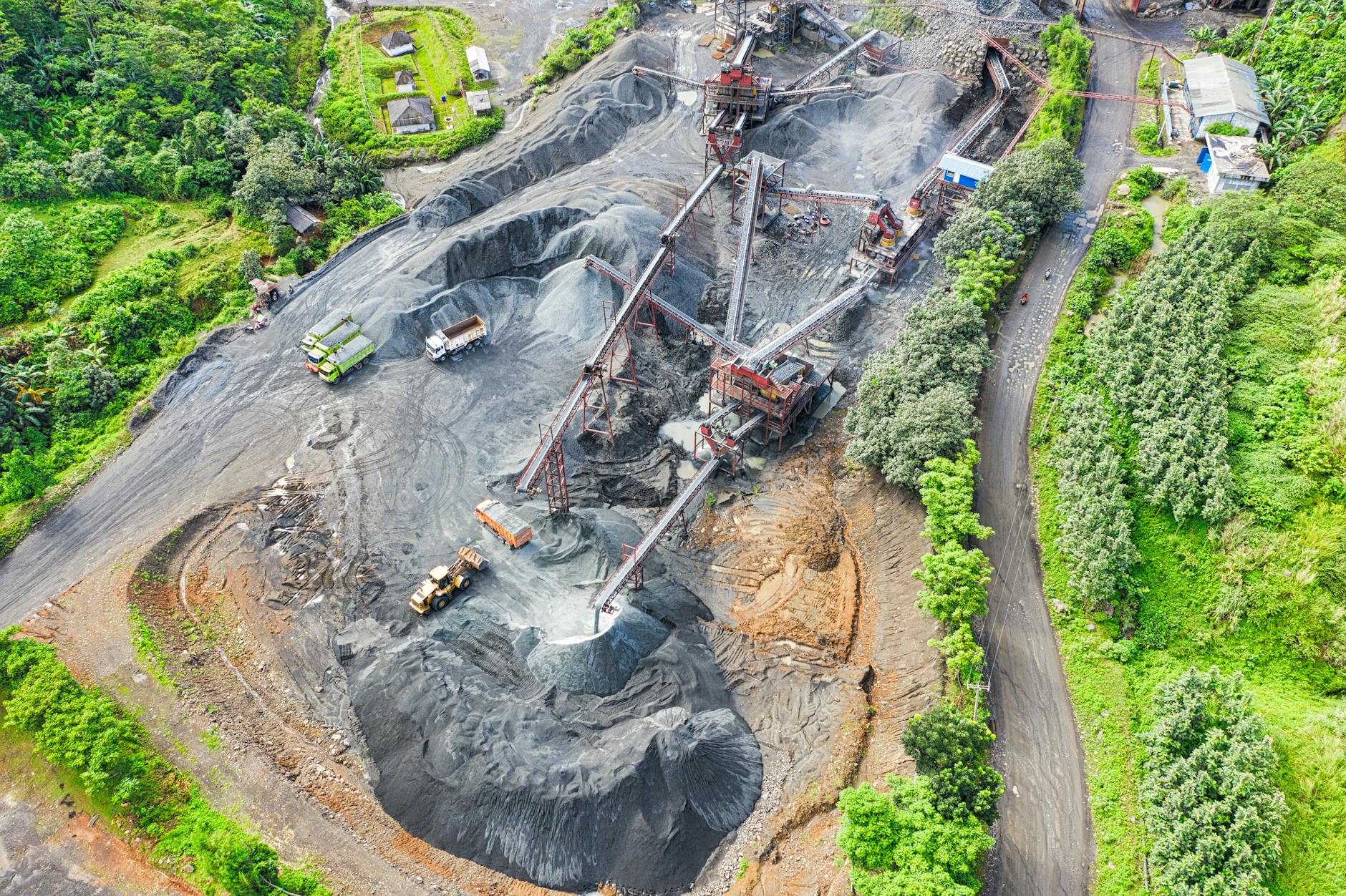
- Environmental aspects: The lack of regulation has led to significant environmental degradation.
- Economic structuring: Artisanal production often escapes traceability, making it difficult to assess its economic impact.
Socio-economic impact of formalization
Formalizing the artisanal sector could generate significant revenue for the state and improve the well-being of local populations. In 2020, a World Bank study estimated that regulating artisanal mining could increase state revenues by USD 800 million annually, through taxes and mining rights.
Furthermore, by formalizing the sector, it is anticipated to:
- Ensure fair wages and social security for miners.
- Introduce sustainable practices to minimize environmental impact.
- Open the door to foreign direct investment, necessary to modernize small-scale operations.
Legal framework and reform initiatives
The Congolese government has initiated measures to formalize the artisanal sector. This includes the adoption of the Framework Law on Mining in 2021, which recognizes the importance of this activity for the national economy. This law aims to integrate artisanal operators into the national miners' registry and establish monitoring and control mechanisms.
Public-private partnerships (PPP): a key lever
Partnerships between the public and private sectors are crucial for the success of this reform. International companies, in collaboration with the government, are developing pilot projects to assist in the annual transition of miners to formal practices. These initiatives include:
- Training and awareness: Training programs on best mining practices.
- Access to financing: Creation of microloans to enable miners to invest in their equipment.
- Certification: Establishing labels for cobalt and copper sourced from ethical origins.
Challenges to overcome
Despite these advances, several challenges remain:
- Corruption: Corruption at various levels of government can hinder the formalization process.
- Lack of infrastructure: Artisanal areas often lack necessary infrastructure, such as access to water and electricity.
- Resistance to change: Some miners are skeptical of formalization, fearing a loss of income.
Conclusion: A potential to exploit
Reforming the artisanal sector in the DRC is not only a socio-economic necessity but also an imperative to ensure sustainable development. The commitment of the government and international stakeholders will establish an ethical and responsible supply chain for cobalt and copper. With a systematic and sustainable approach, the DRC has the opportunity to aspire to become a global reference in responsible mining practices.