The Power of Formalization in the DRC's Artisanal Mining Sector
The Democratic Republic of Congo, renowned for its rich mineral resources, particularly cobalt and copper, holds a pivotal role in the global supply chain for batteries and electric vehicles. With prices for cobalt recently exceeding $80,000 per metric ton, the DRC is poised to capitalize on its vast reserves, estimated at around 3.6 million tons. However, the artisanal mining sector—responsible for approximately 30% of global cobalt production—faces significant challenges, from ethical sourcing to regulatory compliance.
A Dual Challenge: Ethical Sourcing and Market Accountability
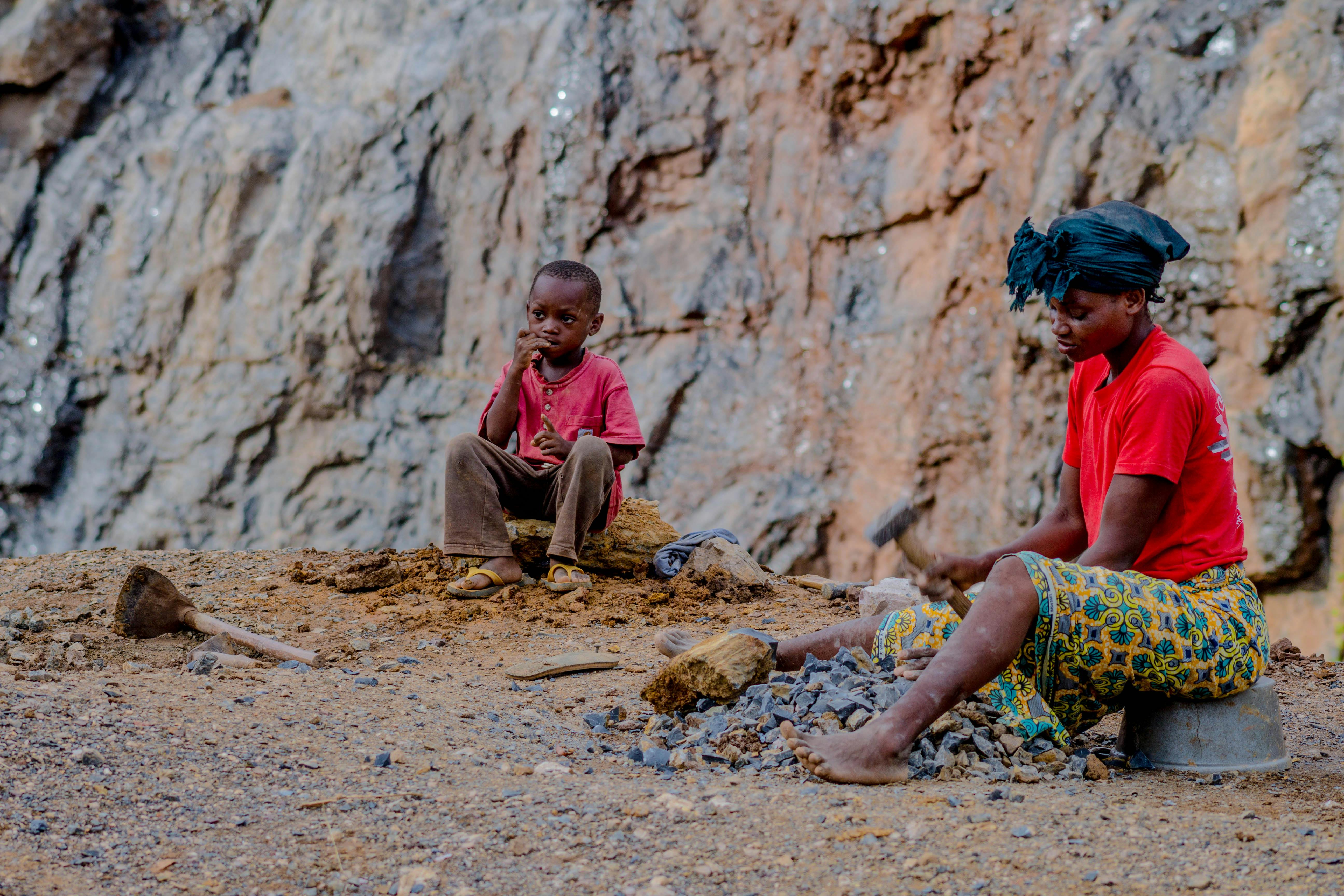
The artisanal mining sector in the DRC is a complex landscape, where informal operations often lead to human rights violations and environmental degradation. Reports indicate that many artisanal miners work under perilous conditions, lacking adequate safety measures and fair compensation. As the market shifts towards sustainability, clawing back reputational risks associated with artisanal mining becomes imperative for stakeholders.
- Approximately 200,000 artisanal miners operate in Katanga province alone.
- 90% of the world's cobalt supply is mined in the DRC.
- Informal mining operations often bypass existing regulations, further complicating efforts to enhance accountability.
Regulatory Reforms: Path to Sustainable Development
Recognizing the urgency for reform, the Congolese government is implementing measures aimed at formalizing the artisanal mining sector. These reforms are designed not only to adhere to international standards but also to increase transparency and economic benefits for local communities.
Key components of the regulatory framework include:
- Establishment of traceability systems for minerals, ensuring responsible sourcing.
- Training programs for miners to improve safety protocols and operational efficiency.
- Collaborations with international organizations to bolster support and technical assistance.
Investment Opportunities in Artisanal Operations
The growing commitment towards formalization creates a compelling investment landscape. International investors, particularly those focusing on environmentally and socially responsible investments (ESG), are increasingly eyeing opportunities in DRC's artisanal mining sector. By investing in formalization initiatives, these stakeholders can foster inclusive economic growth while ensuring ethical practices.
Investments in artisanal mining formalization can yield monetary and social returns, addressing regional poverty while providing access to legal mining practices. For instance, if formalized, the artisanal sector could potentially generate an additional $500 million annually in the DRC's economy through improved mining practices and enhanced miner welfare.
The Role of International Collaboration and ESG Investments
Collaboration with international players is crucial in enhancing the DRC's mining landscape. Partnerships with NGOs, governments, and private sector actors form the bedrock of effective reform. ESG-focused companies can play a significant role in educating miners, introducing best practices, and deploying technology to enhance safety.
The Future: A Sustainable Mining Ecosystem
Looking forward, the DRC's approach to the artisanal mining sector must blend economic viability with social responsibility. By moving towards a more formal and ethical framework, the country enhances its attractiveness to foreign investors while ensuring compliance with the growing global demand for responsible sourcing.
In conclusion, while challenges abound, the DRC is uniquely positioned to lead a transformation of its artisanal mining sector. With the right blend of reform, investment, and ethical commitment, the DRC can secure its future as a global powerhouse of cobalt and copper production.