Introduction
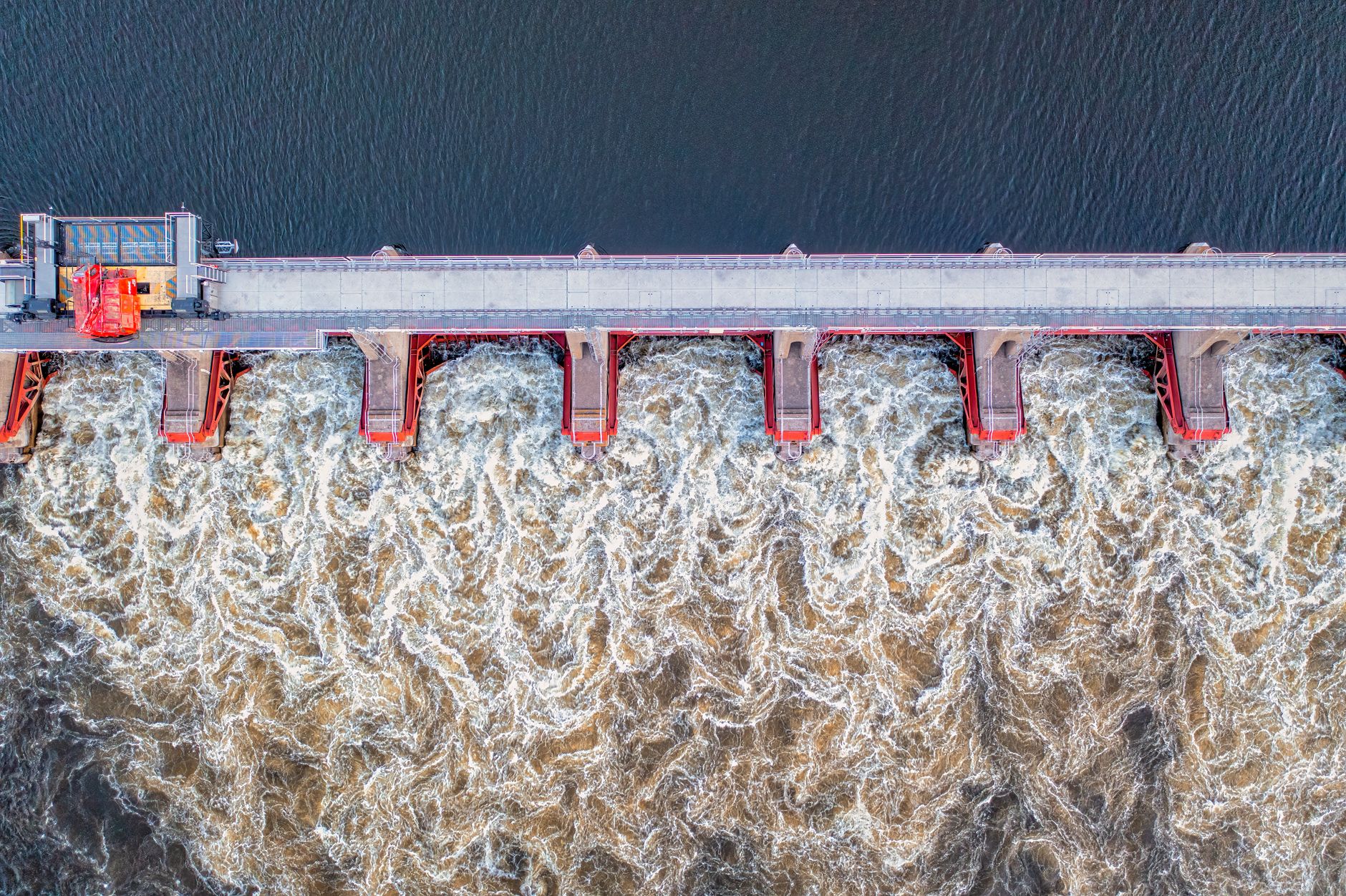
The Democratic Republic of the Congo (DRC) stands out for its rich energy potential, especially through its hydraulic resources. With access to only 10% of its hydropower capacity, the country faces colossal energy challenges, particularly for the industrial sector. Micro and mini hydropower plants represent a viable and essential solution to meet the growing energy demands.
An unexplored hydropower potential
With over 100,000 MW of hydropower potential, most of which remains untapped, the DRC could become a regional leader in energy production. The emblematic Grand Inga project, aiming for a capacity of 44,000 MW, is often cited as a cure-all. However, the timelines for realization are concerning, making the emergence of alternative solutions imperative.
Micro and mini hydropower plants: an adapted response
Micro and mini hydropower plants, defined as having installed capacities of less than 100 kW and between 100 kW and 10 MW respectively, present pragmatic alternatives. These infrastructures can be deployed near industrial sites, ensuring a stable and decentralized energy supply.
Data on energy consumption in the DRC
- Current consumption: The DRC consumes about 7.7 TWh of electricity per year.
- Electricity shortage: Almost 60% of industrial companies report frequent interruptions in their electricity supply.
- Energy costs: Energy costs can account for up to 30% of operating expenses for companies.
Economic and environmental impacts
Investing in micro and mini hydropower plants can generate considerable economic returns. By enabling companies to have reliable and affordable energy, it enhances competitiveness and promotes job creation.
Advantages for the industrial sector
- Cost reduction: Small-scale energy production reduces dependence on unstable electrical networks.
- Support for local industries: Projects can be managed by local companies, providing direct benefits to the communities.
- Adaptation to specific needs: Micro and mini plants can be designed to meet the specific energy requirements of different industrial sectors, such as textiles, agri-food, and mining.
The role of solar energy in the energy transition
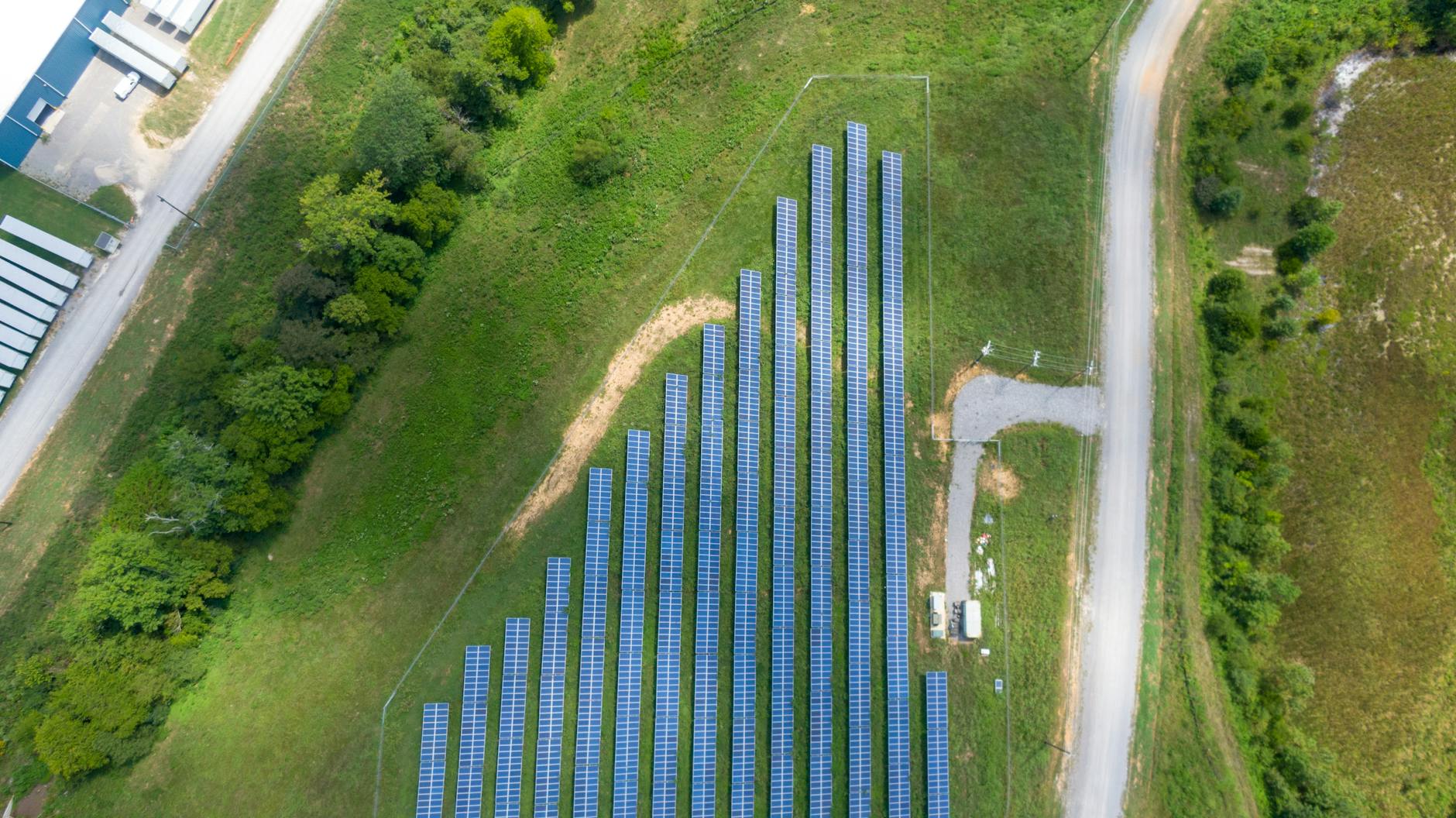
In addition to hydropower, solar energy represents another dimension of the energy transition in the DRC. Thanks to abundant sunlight, solar can complement hydropower production and contribute to the diversification of the energy mix.
Synergies between hydro and solar
- Integration of hybrid systems: Pairing micro and mini hydropower plants with solar installations allows for a more resilient and flexible approach.
- Enhancing access to energy: These synergies expand access to electricity in rural and peri-urban areas, while addressing the needs of businesses.
Conclusion: The essential role of investment
For the DRC to fully realize its energy potential, an incentive framework for investment in micro and mini hydropower plants is essential. This framework should encourage public-private partnerships, research, and technology transfer. Furthermore, it is necessary to strengthen local capacities for the construction and operation of these infrastructures.
In conclusion, the DRC is at a crossroads. By adopting an approach based on micro and mini hydropower and solar energy, the country can not only meet its energy needs but also engage in a dynamic of sustainable and inclusive development.