Introduction
As the Democratic Republic of the Congo (DRC) navigates its post-pandemic recovery, the government has inaugurated a series of ambitious reforms designed to enhance the business climate for foreign direct investment (FDI). These legislative measures reflect a paradigm shift towards a more investor-friendly environment, signaling to global capital that the DRC is open for business.
The Legislative Landscape
Over the past year, the DRC has introduced key laws aimed at protecting foreign investors. Among these are provisions that establish clearer legal frameworks regarding property rights and dispute resolution, which are critical for ensuring a stable investment climate.
Key Reforms Overview
- Improved Legal Framework: New laws clarify rights and protections for investors, addressing concerns over expropriation and property claims.
- Tax Incentives: Various tax holidays and reduced rates for certain sectors like mining and agriculture have been introduced to attract capital.
- Dispute Resolution Mechanisms: Enhanced measures for arbitration and mediation aim to build investor confidence in the resolution of legal conflicts.
Macro-Economic Analysis
The reforms come at a pivotal time when the DRC's economy shows signs of resilience. According to the World Bank, GDP growth is anticipated to reach 4.4% in 2023, supported by strong performance in the mining sector, which remains vital for the country's economic landscape.
FDI Growth Trends
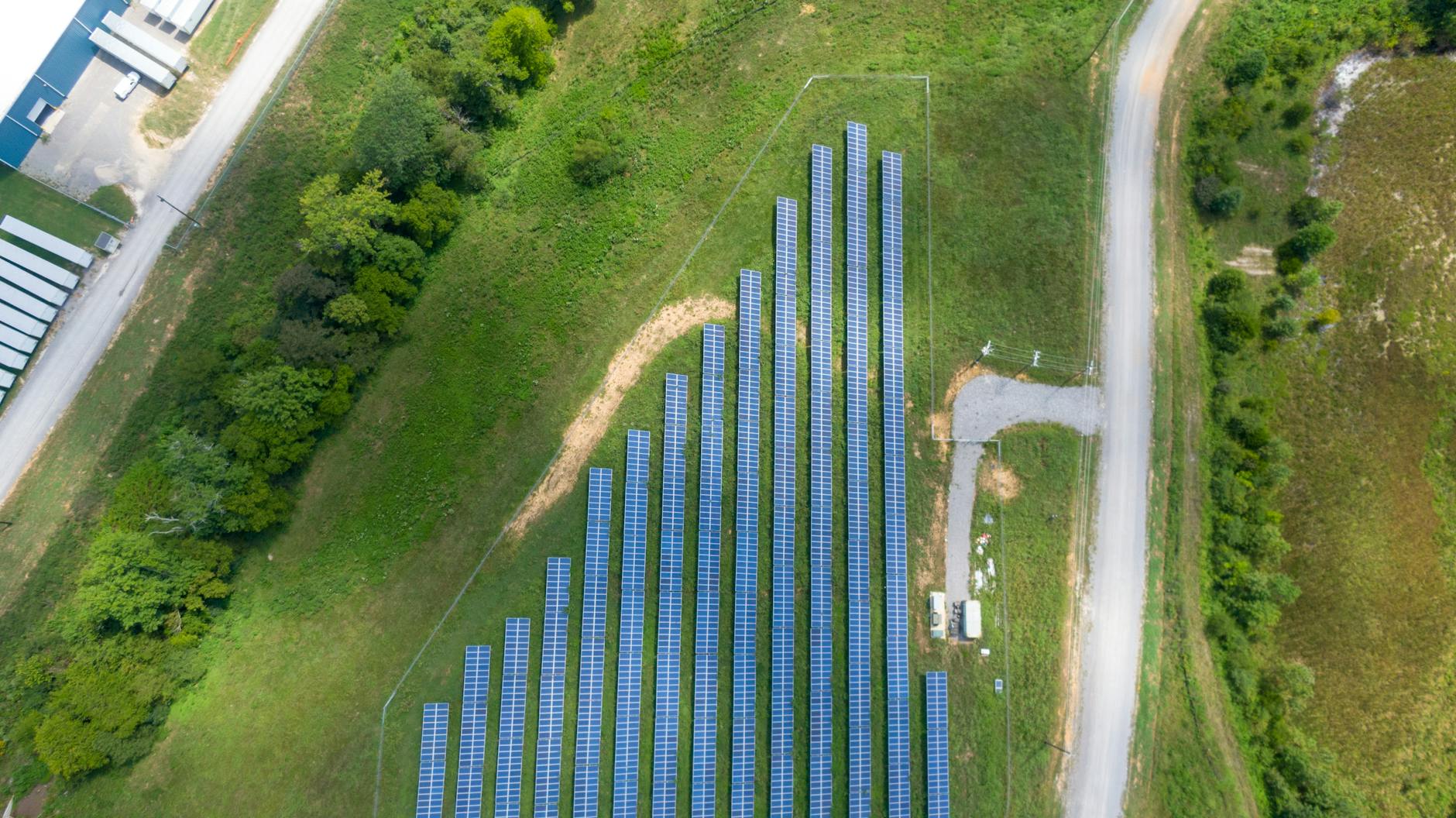
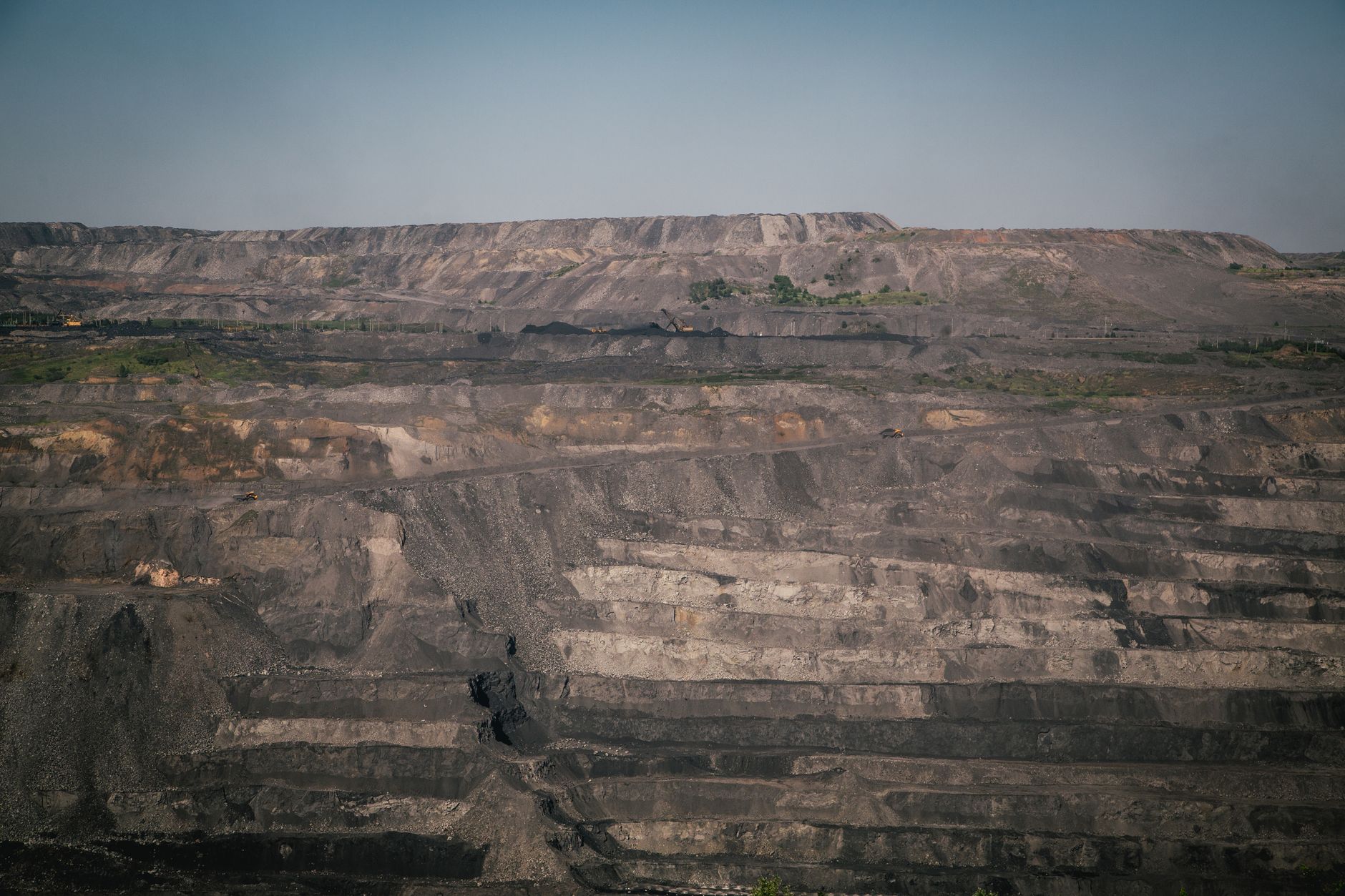
Foreign direct investment flows into the DRC have surged by approximately 25% over the previous fiscal year, with significant contributions from large-scale mining ventures and energy projects. The government reported that FDI reached $1.4 billion in 2022, primarily driven by investments in the extraction of cobalt and copper, pivotal metals in the global transition towards renewable energy.
Competitive Advantage
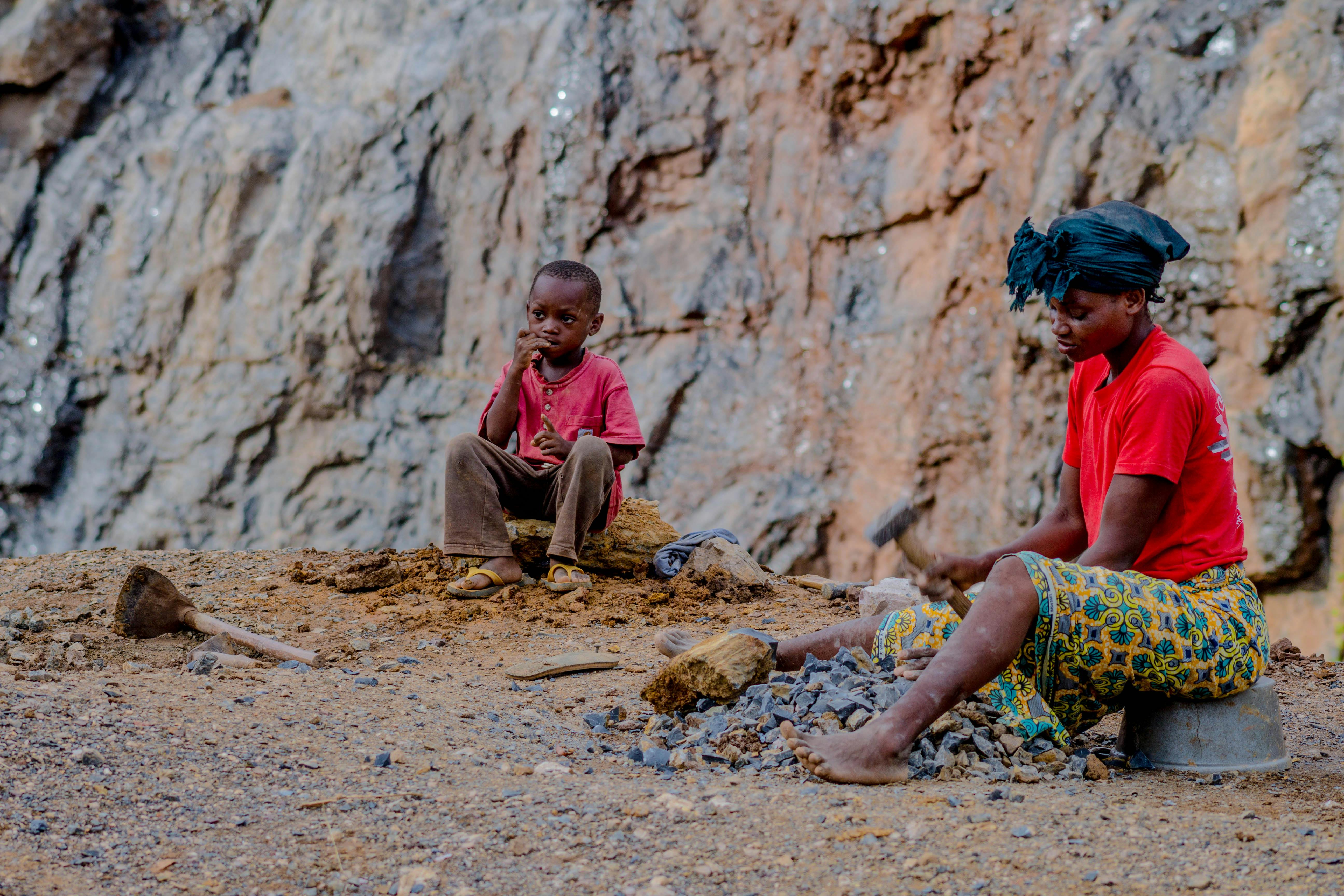
The DRC is endowed with vast natural resources estimated to be worth trillions of dollars. Beyond copper and cobalt, the nation possesses significant reserves of gold, diamonds, and coltan. As global demand surges—particularly in tech and renewable sectors—the DRC stands to be a linchpin for future market dynamics.
Risks and Considerations
Despite the positive outlook, challenges remain. Political stability and infrastructural deficits are ongoing concerns that can impact the investment climate. Furthermore, the effectiveness of the new laws in practice will be instrumental in determining their success.
Political Stability
Political risks in the DRC cannot be underestimated. Continuous advocacy for transparency, accountability, and good governance is essential to sustain foreign investor interest.
Infrastructure Challenges
Transport and energy infrastructure remain underdeveloped, which can pose logistical challenges for investors. The government has initiated infrastructural projects, but significant gaps persist that may deter some prospective investors.
Conclusion: Optimizing Potential
While the DRC has made strides to enhance its investment landscape through new laws protecting foreign investors, the true test will be in the implementation of these measures. The combination of abundant resources, legislative improvements, and a resilient economic outlook places the DRC in a robust position to attract foreign direct investments. For international investors willing to navigate the initial risks, the rewards in this resource-rich nation may indeed be worth the leap.
Call to Action
Investors interested in exploring opportunities in the DRC should closely monitor these developments and engage with local partners to capitalize on the emerging business landscape.