Introduction
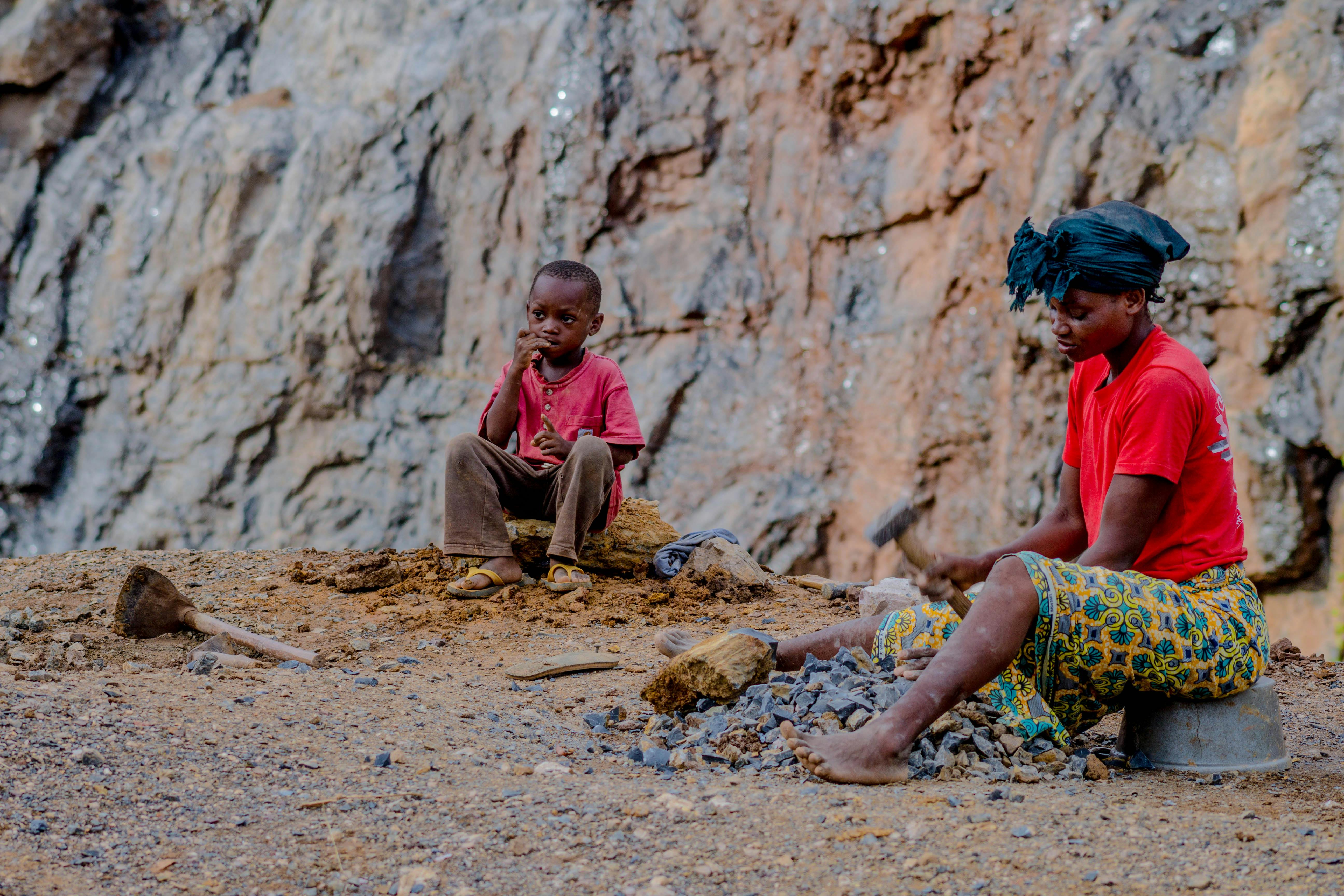
The Democratic Republic of the Congo, rich in its abundant natural resources and its young and dynamic population, positions itself as a potentially attractive investment ecosystem. However, the lack of robust financing mechanisms and the perception of high credit risk are major obstacles to the development of small and medium-sized enterprises (SMEs). This article examines how the implementation of guarantee funds can reduce these risks and stimulate local entrepreneurship.
Economic Context and Business Climate
In recent years, the DRC has recorded an average economic growth rate of 4.5% per year, a remarkable phenomenon given the structural challenges the country faces. Moreover, the Human Development Index (HDI) remains concerning, ranking 179th globally.
The business climate in the DRC presents various opportunities lost amid considerable obstacles, such as:
- Insufficient infrastructure.
- Heavy bureaucracy.
- Limited access to financing.
Due to these conditions, the Democratic Republic of the Congo appears relatively unattractive for Foreign Direct Investments (FDI), particularly in the SME sector. The Doing Business 2023 report ranks the DRC 183rd out of 190 countries, reflecting the current challenges in business creation and access to credit.
The Role of Guarantee Funds for SMEs
Guarantee funds for SMEs represent an innovative and strategic instrument to encourage investments in the private sector. They allow financial institutions to grant loans to SMEs with partial coverage against default, thus reducing exposure to credit risk.
The main features and benefits of guarantee funds include:
- Improvement of access to financing: SMEs, often considered high-risk entities, will find it easier to obtain loans.
- Stimulus for entrepreneurship: By reducing barriers to access credit, these funds encourage more entrepreneurs to launch their projects.
- Attractiveness for investors: Healthier and more secure SMEs make the Congolese market more appealing to foreign investors.
Statistical Data and Current State
According to statistics from the National Institute of Statistics, SMEs represent about 90% of registered businesses in the DRC, but they contribute only about 10% of GDP. This imbalance underscores the need for targeted intervention.
In 2022, only 15% of Congolese SMEs had access to formal credit, while approximately 70% of credit applications were rejected by financial institutions. Establishing a guarantee fund could reverse this trend.
Future Perspectives and Conclusion
Such a model has already proven successful in other countries in the region, where guarantee funds have led to a significant increase in access to credit. By implementing additional reforms and putting into practice an effective guarantee fund model, the DRC could hope for a strengthening of its entrepreneurial fabric.
In the long term, reducing credit risk for SMEs will help foster a more dynamic business environment, thus encouraging both national and foreign investments.
Consequently, it is imperative that government actors, financial institutions, and development partners collaborate to establish a conducive framework for the successful implementation of these guarantee funds. This would have the effect of catalyzing economic growth, improving the business climate in the DRC, and ultimately enhancing the quality of life for its citizens.