Introduction
In recent years, the Democratic Republic of the Congo (DRC) has made strides toward establishing a formal securities exchange in its bustling capital, Kinshasa. The initiative aims to catalyze economic transformation by tapping into local and foreign direct investments (FDI), which are crucial for the country's development. This article assesses the critical drivers, challenges, and prospects for a burgeoning capital market in the DRC.
The Current Economic Landscape
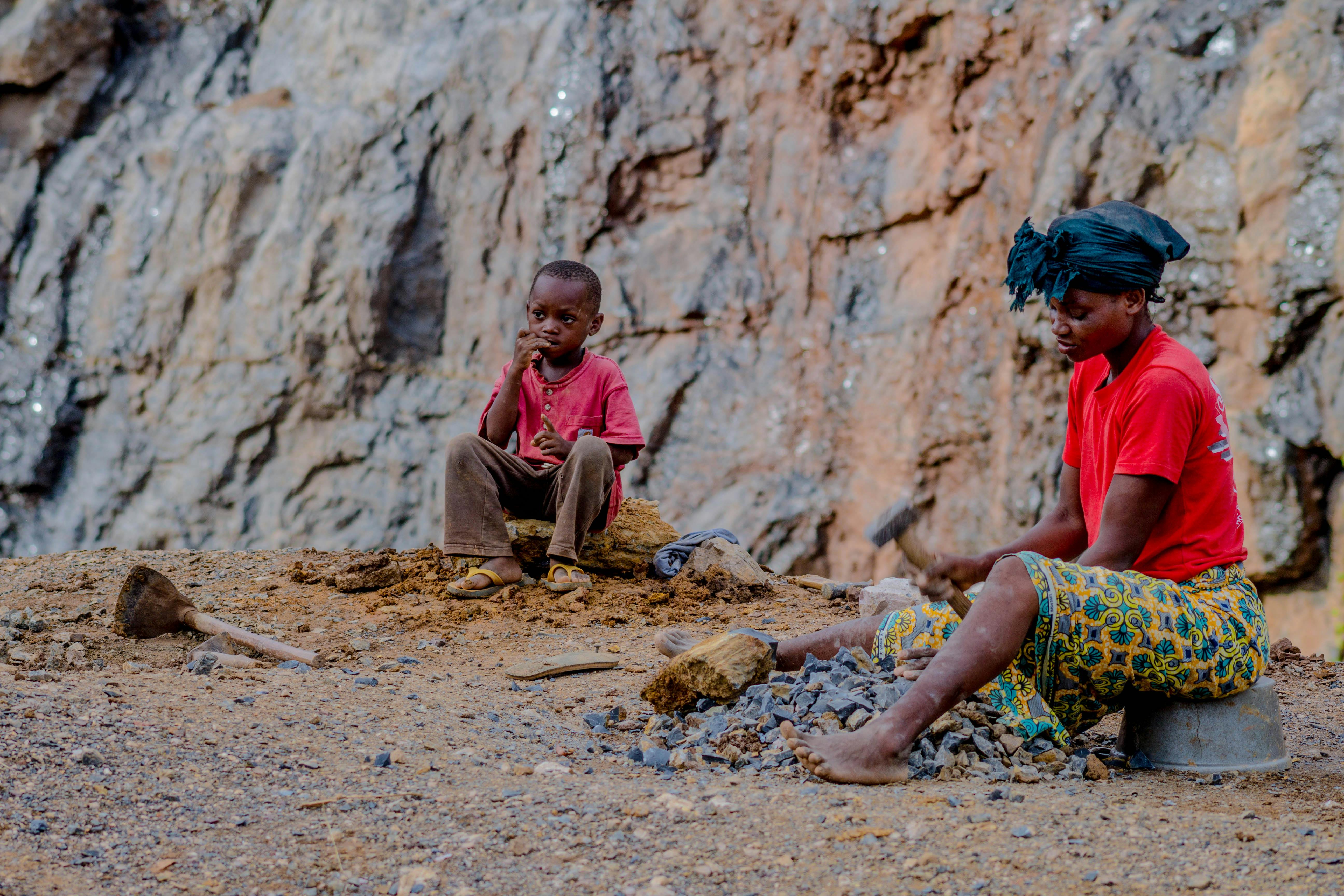
The DRC, rich in natural resources, is poised for growth in the capital markets. With an estimated GDP of $59.25 billion in 2022, driven largely by mining and agriculture, the DRC ranks among the top producers of cobalt, diamonds, and gold globally. The economy, however, has been marred by challenges including political instability and infrastructure deficits.
Key Economic Indicators
- GDP Growth: The DRC experienced a GDP growth rate of approximately 8.5% in 2022, showcasing resilience even amid global economic uncertainties.
- Foreign Direct Investment: The inflow of FDI reached $1.66 billion in 2022, reflecting growing investor confidence.
- Natural Resources: The DRC is home to 50% of the world's cobalt and vast deposits of gold and diamonds, making it a lucrative target for investment.
The Case for a Securities Exchange
The establishment of a securities exchange in Kinshasa stands to unlock considerable capital, diversify the economy, and enhance investment opportunities. It represents a turning point in the DRC's financial landscape, encouraging local businesses to access capital markets for financing their growth.
Benefits of a Capital Market
- Increased Access to Capital: Companies can raise funds through various financial instruments, reducing reliance on bank loans.
- Enhancing Transparency: A regulated exchange increases transparency in transactions, boosting investor confidence.
- Promoting Economic Diversification: Encouraging investments in various sectors, thereby reducing dependency on mining alone.
Challenges Ahead
While the prospects for establishing a securities exchange are promising, several challenges need to be addressed to ensure its success.
Political Stability
Political instability remains a significant hurdle in the DRC. The government must stabilize the political framework and establish an investor-friendly regulatory environment to attract global investors.
Infrastructure Development
The lack of developed infrastructure poses a challenge. A robust financial framework requires efficient telecommunications and transportation networks to facilitate trade and transactions.
Capacity Building
Investing in capacity building for financial institutions and potential issuers is critical to ensuring that stakeholders are equipped to operate in a modern capital market.
The Role of Regulatory Bodies
Establishing a securities exchange will necessitate the involvement of regulatory bodies such as the Central Bank of Congo and the Financial Market Supervisory Authority. These entities will play a central role in establishing guidelines that protect investors while promoting market integrity.
International Cooperation
Leveraging international financial institutions and partnerships will facilitate knowledge transfer and technical assistance, bolstering the DRC's market infrastructure.
Conclusion: A Bright Future Ahead
The groundwork is being laid for Kinshasa to become the financial hub of Central Africa. As the DRC advances toward establishing a securities exchange, a pathway to increased foreign direct investment is being charted. With a commitment to overcoming challenges, embracing innovative solutions, and fostering a culture of transparency, the DRC is on the precipice of a wealth of opportunities for investors and entrepreneurs alike. The establishment of a capital market could very well redefine the economic narrative of the DRC, fostering an environment of sustained growth and development.